In this guide
Quick answer
Black mold is a health concern, but no more dangerous than other indoor molds for most people. The CDC says the color of a mold doesn’t tell you how harmful it is, and all indoor mold should be removed the same way. Mold commonly causes allergy-like symptoms and can trigger asthma; people with weakened immune systems or chronic lung disease are at higher risk. Remove it, fix the moisture, and see a doctor if anyone has breathing problems.
“Toxic black mold” is one of the most searched home-health phrases online, and much of what you’ll read is designed to frighten you into paying for testing or remediation you might not need. Here is what the evidence actually says.
What people mean by “black mold”
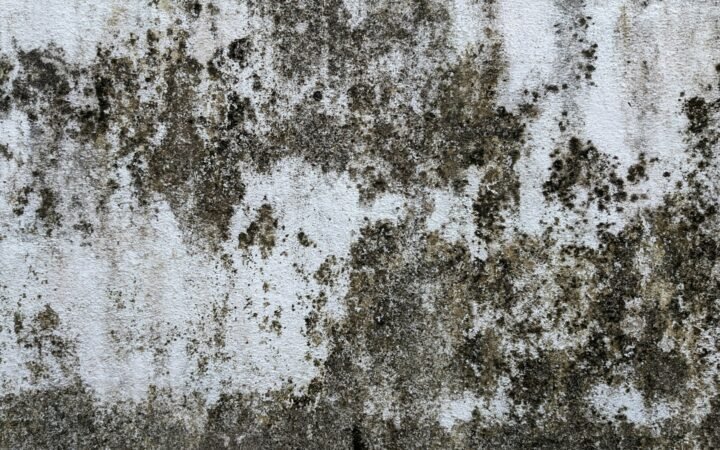
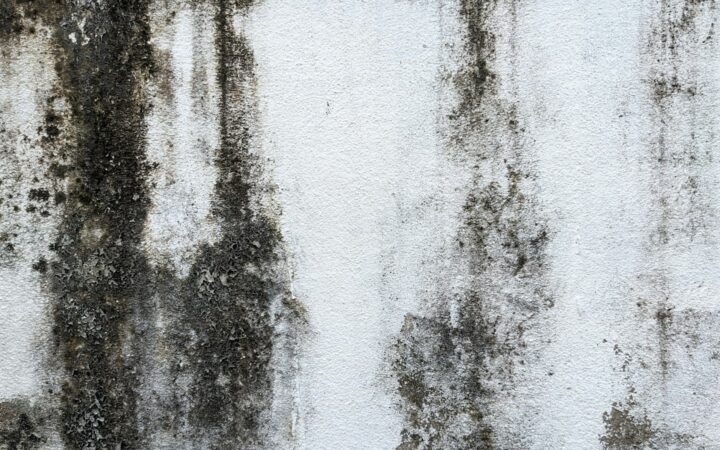
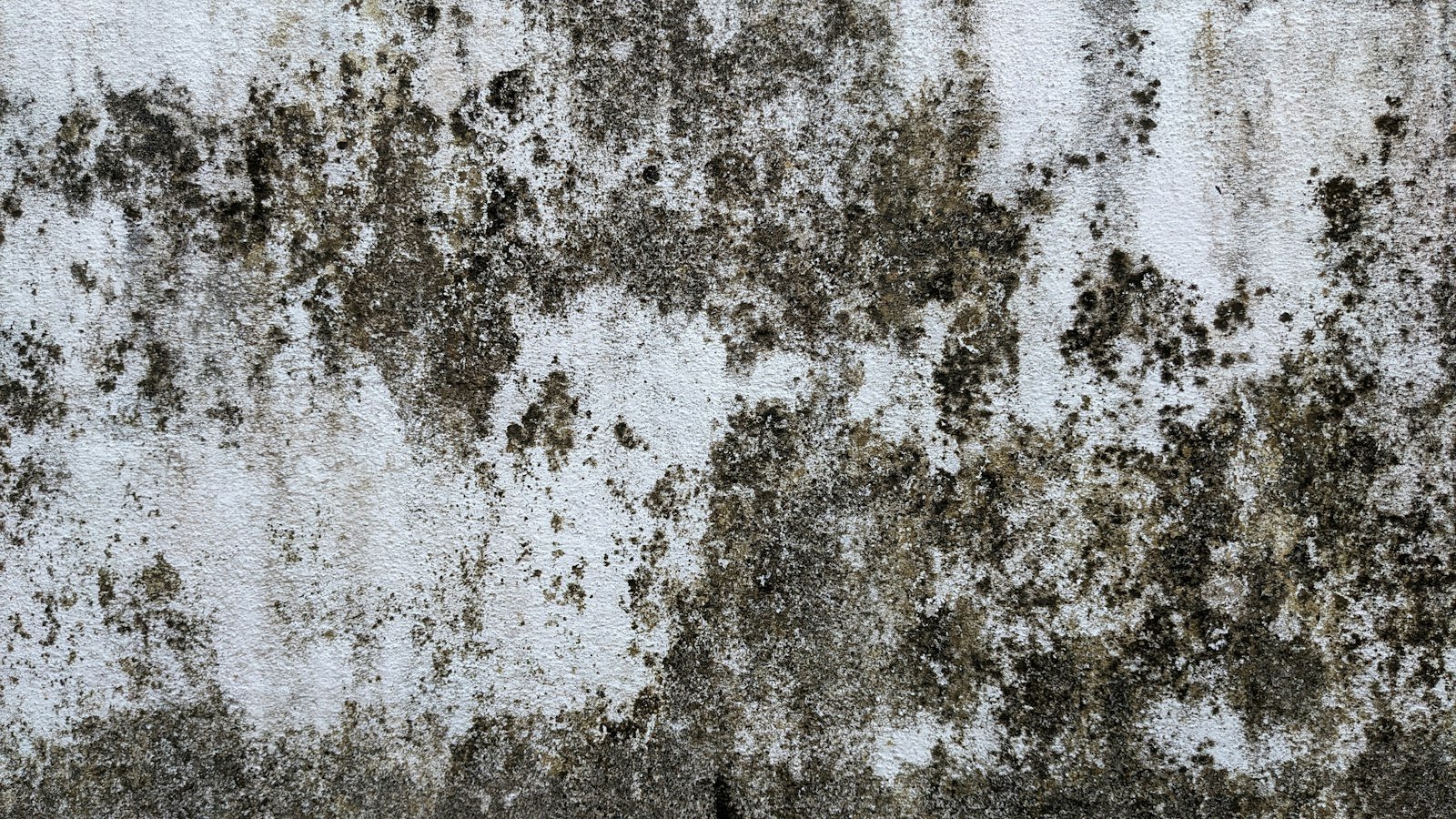
When people say black mold, they usually mean Stachybotrys chartarum, a greenish-black mold that grows on materials with a lot of cellulose — drywall paper, ceiling tiles, wood — that have stayed wet for a long time, often after a leak or flood.
But many common molds are dark green, gray or black, including Cladosporium, Alternaria and some Aspergillus species. You can’t identify the species by looking, and most of the black spots in a shower are not Stachybotrys at all.
Is black mold toxic?
Some molds, including Stachybotrys, can produce chemicals called mycotoxins. That’s where the “toxic” label comes from. However:
- producing mycotoxins depends on growing conditions, and not every colony does;
- the CDC states that there is no proven link between “black mold” in homes and unique health conditions such as memory loss or bleeding in the lungs;
- the health effects people experience from indoor mold are mostly the same regardless of species.
In short, the problem isn’t the color; it’s having mold growing indoors at all, and how much of it you’re exposed to.
Health effects of mold exposure
| Who | Common effects |
|---|---|
| Most healthy adults | Often no symptoms, or stuffy nose, sneezing, itchy eyes, throat irritation |
| People with mold allergies | Stronger allergy symptoms, sometimes skin rash |
| People with asthma | Coughing, wheezing, chest tightness, asthma attacks |
| People with weakened immune systems or chronic lung disease | Higher risk of serious reactions and, rarely, fungal lung infections |
The WHO and the US Institute of Medicine have linked damp, moldy homes with upper respiratory symptoms, coughing, wheezing and worsening asthma. Children who grow up in damp homes are more likely to develop asthma symptoms.
See a doctor if…
someone in your home has new or worsening wheezing, shortness of breath, frequent chest infections, or symptoms that improve when they’re away from home for a few days. Bring photos of the mold and tell the doctor how long the damp problem has existed. If someone has a weakened immune system, speak to their care team promptly.
Do you need to test for black mold?
Usually not. Because every mold is handled the same way, knowing the species rarely changes what you do. The EPA notes that if you can see mold, you don’t need sampling to know you have a problem. Testing is useful mainly for legal or insurance documentation or to confirm a professional cleanup worked. See Mold Test Kits: Are They Worth It?
What to do if you find black mold
- Find and fix the moisture source — leak, condensation, poor ventilation or high humidity.
- Measure the area. Under about 10 square feet on hard surfaces is usually a DIY job with an N95 mask, goggles and gloves. Scrub with detergent and water and dry completely.
- Remove porous materials like soaked drywall, carpet pad and ceiling tiles rather than trying to clean them.
- Call a professional for larger areas, mold in walls or ducts, or if anyone in the home is at higher risk. See Mold Remediation Cost.
- Keep humidity at 30–50% afterward. See Ideal Indoor Humidity.
For bathroom mold specifically, follow How to Remove Black Mold from Shower Caulk and Grout. For the bigger picture, our Mold in Your Home hub covers everything from detection to prevention.
Frequently asked questions
Can black mold kill you?
How long does it take to get sick from black mold?
Is black mold in the shower dangerous?
What does black mold smell like?
Sources
- Centers for Disease Control and Prevention — Mold and health
- US EPA — A Brief Guide to Mold, Moisture and Your Home
- World Health Organization — WHO guidelines for indoor air quality: dampness and mould
Health note: This article is for general information and isn’t medical advice. If you or someone in your home has symptoms such as wheezing, a persistent cough, a rash that spreads, or a fever after a bite, talk to a doctor or other qualified health professional. Read our disclaimer.