In this guide
Quick answer
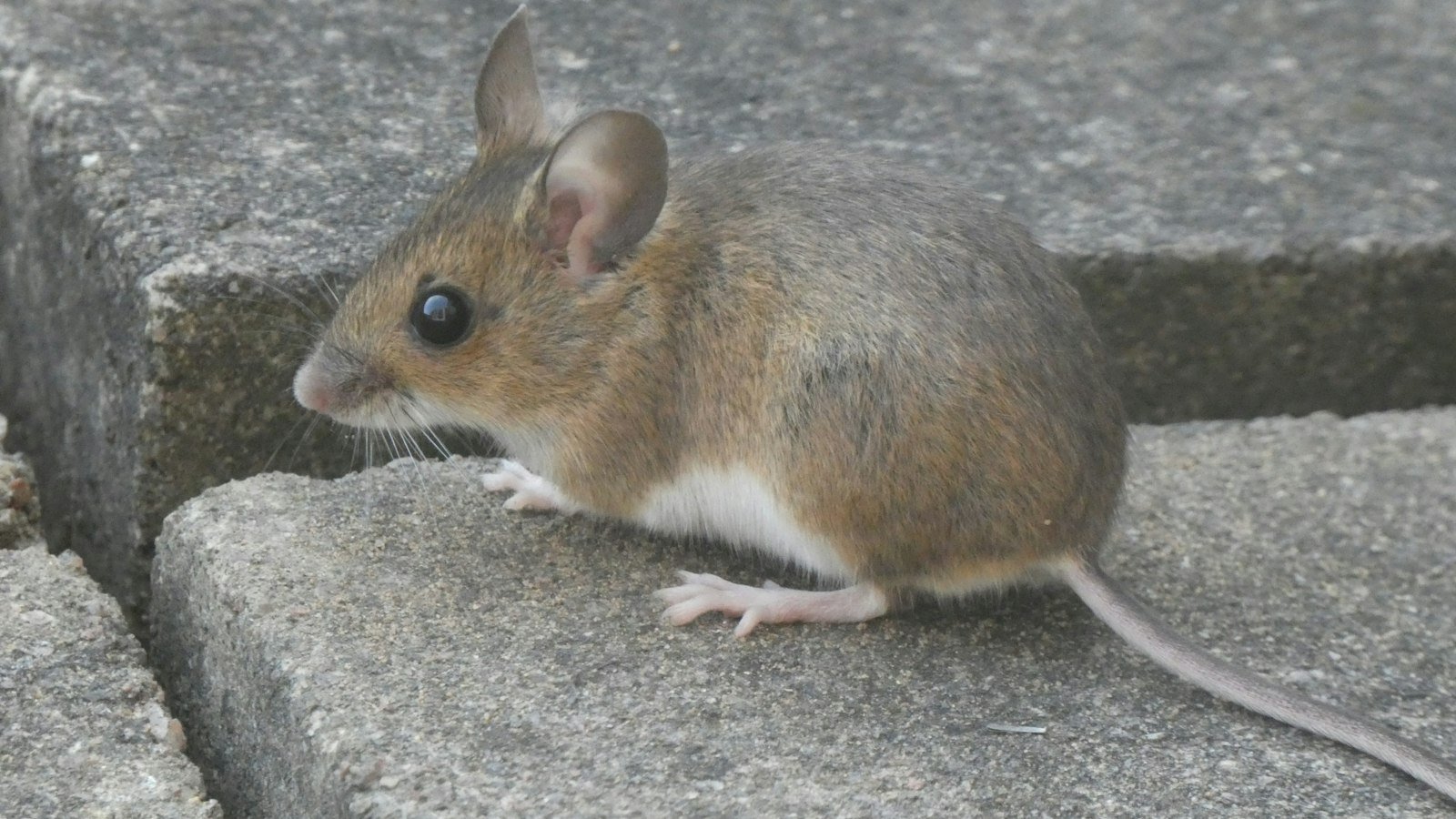
Mice in walls are almost always travelling between an outside entry gap and a food source inside. Set snap or electronic traps along walls where the mice exit (under sinks, behind appliances, in the attic and basement), bait with a pea-sized dab of peanut butter, and check daily. Once activity stops, seal every gap of 1/4 inch or more with steel wool and caulk or metal. Avoid poison indoors — mice can die inside the wall and cause a strong odor for weeks.
Hearing scratching and scurrying in the walls or ceiling at night is unsettling, especially when you can’t see what’s causing it. The good news is that mice follow predictable routes. Once you understand how they move, you can remove them and stop them coming back.
Is it mice? Know the sounds and signs
| Sound or sign | Likely culprit |
|---|---|
| Light scratching and scurrying at night | Mice |
| Heavier thumping or gnawing at night | Rats |
| Noises at dawn and dusk, in the attic | Squirrels |
| Droppings about 1/4 inch, rice-shaped | Mice |
| Droppings 1/2–3/4 inch | Rats |
Rats and squirrels usually need a professional or a wildlife specialist. The steps below are for mice.
Step 1: Find where they’re getting in
Mice can squeeze through a gap about 1/4 inch (roughly the width of a pencil). Check outside, at ground level and up to the roof:
- where pipes, cables and AC lines enter the house
- gaps under garage doors and exterior doors
- foundation cracks and weep holes
- dryer and bathroom vents without screens
- gaps around chimneys and where the roof meets the walls
- attic vents and soffits
Inside, look under the kitchen sink, behind the stove and fridge, around the water heater, in the basement and attic. Droppings, grease marks and gnawing show you the main routes.
Step 2: Trap where they travel
Mice run along walls, not across open floors. Place traps perpendicular to the wall with the trigger end against the baseboard, every 6–10 feet along active routes. More traps work faster than a few — for a small problem, start with 6–12.
- Snap traps (wood or plastic) are cheap, fast and effective.
- Electronic traps kill instantly with a shock and are easy to empty without touching the mouse.
- Live-catch traps work but require releasing mice far from homes, and many die after release.
We compare the best options in Best Mouse Traps. You can find snap and electronic mouse traps here.
Baiting tips: use a pea-sized amount of peanut butter, chocolate spread or a cotton ball (nesting material). Too much bait lets mice lick it off without triggering the trap. Wear gloves when setting traps, as mice can be wary of human scent.
Step 3: Get into the wall without opening it
If mice are clearly inside a wall cavity:
- place traps where the wall meets the floor near any holes, and in the basement or attic above or below the wall;
- check behind removable panels — bath access panels, under-sink cabinets, appliance cutouts;
- in some cases a pro drills a small hole low in the wall to set a trap inside the cavity.
Step 4: Avoid poison inside the house
Rodenticide baits kill mice slowly, and poisoned mice often die inside walls, attics and floors. The result can be a strong dead-animal odor for weeks, plus flies. Poisons also pose risks to children, pets and wildlife. If bait is used, it should only be in tamper-resistant bait stations, ideally outdoors and placed by a professional.
Step 5: Seal the gaps (after trapping)
Seal entry points once you’ve caught the mice inside — otherwise you may trap them indoors.
- Small gaps: pack with steel wool or copper mesh, then seal over it with exterior caulk. Mice chew through caulk or foam alone.
- Larger gaps: use hardware cloth (1/4-inch galvanized mesh), sheet metal or cement.
- Doors: fit a door sweep with a metal or rubber-and-brush strip; check garage door bottom seals.
- Vents: add metal mesh covers.
Field tip
The best time to seal a house is late summer or early fall, before mice look for winter shelter. A walk around the outside with a flashlight and a tube of caulk can prevent most winter rodent calls.
Step 6: Clean up safely
Mouse droppings and urine can carry germs, so never sweep or vacuum them dry. Spray with disinfectant or a 1:10 bleach solution, let it soak 5 minutes, wipe with paper towels and bag them. Full instructions are in Diseases Mice Carry.
When to call a professional
- You hear heavy noises or see large droppings (possibly rats).
- Mice are in many rooms or keep returning after sealing.
- There’s a dead-animal smell inside a wall.
- You can’t safely reach the roofline or attic to seal entry points.
Frequently asked questions
Will mice in walls leave on their own?
Do ultrasonic repellers work against mice?
What smell do mice hate?
Sources
- Centers for Disease Control and Prevention — How to clean up after rodents
- US EPA — Protect your family from rodenticides
Health note: This article is for general information and isn’t medical advice. If you or someone in your home has symptoms such as wheezing, a persistent cough, a rash that spreads, or a fever after a bite, talk to a doctor or other qualified health professional. Read our disclaimer.