In this guide
Quick answer
Yes. Proteins in cockroach droppings, saliva, eggs and shed body parts are allergens that can cause allergy symptoms and trigger asthma attacks. Research funded by the US National Institutes of Health found cockroach allergen exposure is a major driver of asthma in children living in cities. Reducing exposure means removing the cockroaches and cleaning up the allergen they leave behind.
If someone in your home has asthma that never seems fully controlled, cockroaches are worth considering — even if you rarely see them. The allergen builds up in dust in kitchens and bedrooms and stays there long after the insects are gone.
How cockroaches trigger asthma and allergies
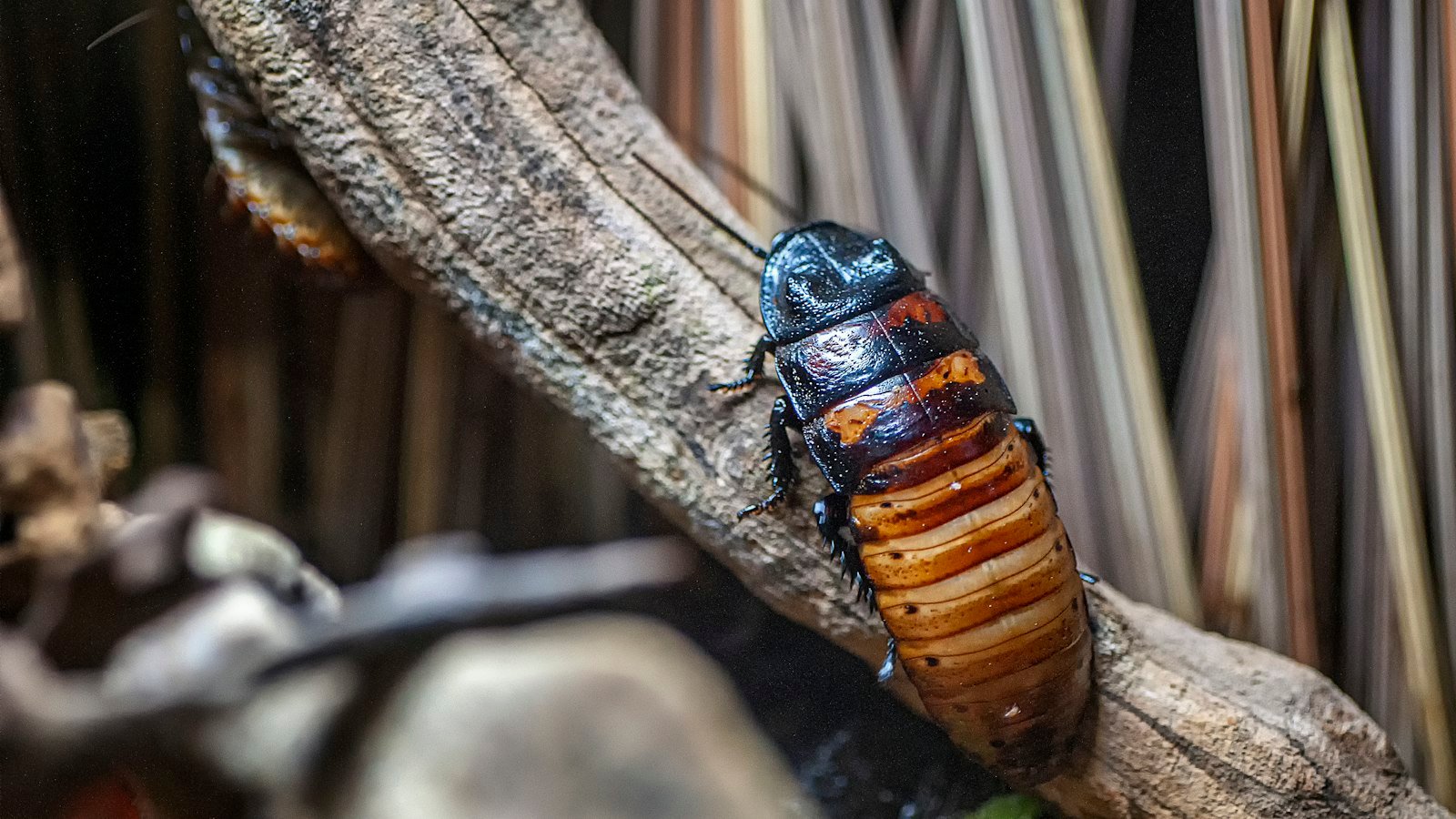
Cockroach allergens are proteins found in:
- droppings (the black, pepper-like specks in cabinets and drawers),
- saliva left on food and surfaces,
- egg cases and shed skins,
- dead cockroaches that break down into dust.
These particles are relatively heavy and settle into household dust. They get stirred up when you vacuum, sweep or make the bed, and are then breathed in. In people who are sensitized, the immune system reacts as if the protein were harmful.
According to the National Institute of Environmental Health Sciences (NIEHS), cockroach allergen is one of the most important indoor triggers of asthma, particularly in children in urban, multi-unit housing. The EPA lists cockroaches among the main indoor asthma triggers.
Symptoms to watch for
Allergy symptoms:
- stuffy or runny nose, sneezing
- itchy, watery eyes
- skin rash or itching (less common)
Asthma symptoms:
- coughing, especially at night or early morning
- wheezing (a whistling sound when breathing)
- chest tightness or shortness of breath
If symptoms are worse at home, worse at night, or worse in the kitchen, mention possible cockroach exposure to your doctor. Allergy testing can confirm whether someone is sensitized.
Get help urgently if…
someone is struggling to breathe, can’t speak in full sentences, has blue or gray lips, or their reliever inhaler isn’t helping. Call 911 in the US or 999 in the UK.
Who is most at risk?
- Children with asthma — the NIH Inner-City Asthma Study found that children who were both allergic to cockroaches and exposed to high levels had more asthma hospital visits and symptom days.
- People in apartments and multi-unit buildings, where cockroaches move between units.
- Anyone already diagnosed with allergies or asthma.
How to reduce cockroach allergens at home
Killing cockroaches is the first step, but allergen levels stay high for months unless you also clean. Studies have shown that combining professional-quality pest control with thorough cleaning lowers allergen levels far more than either alone.
- Eliminate the cockroaches with baits, not sprays. Gel baits and bait stations placed in cracks near food and water are the most effective approach, and repellent sprays can scatter roaches and spread allergen. Follow our plan in How to Get Rid of German Cockroaches and see Best Cockroach Gel Baits.
- Remove food and water. Store food in sealed containers, wipe counters nightly, empty pet bowls overnight, fix dripping taps and dry the sink.
- Deep clean kitchens and bedrooms. Wash surfaces with detergent and water; clean inside cabinets and drawers where droppings collect.
- Vacuum with a HEPA vacuum — a regular vacuum blows fine allergen particles back into the air. Wear a mask if you’re the one with asthma, or let someone else do it.
- Wash bedding weekly in hot water.
- Seal entry points such as gaps around pipes under sinks and behind appliances with caulk or foam.
- Run an air purifier with a true HEPA filter in the bedroom. It won’t capture heavy settled allergen, but helps with fine airborne particles.
Renting?
In apartment buildings, treating only one unit rarely works because cockroaches move through shared walls and plumbing. Report the problem to your landlord in writing and ask for building-wide treatment. Mention any asthma diagnosis.
Cockroaches and other health risks
Beyond allergens, cockroaches can carry bacteria such as Salmonella and E. coli on their bodies and spread them onto food and surfaces. Good food hygiene — covering food, cleaning surfaces before cooking — reduces this risk.
Frequently asked questions
Can cockroaches cause asthma in adults?
How long do cockroach allergens last after the roaches are gone?
Can air purifiers remove cockroach allergens?
Sources
- National Institute of Environmental Health Sciences — Cockroaches
- US EPA — Asthma triggers: gain control
Health note: This article is for general information and isn’t medical advice. If you or someone in your home has symptoms such as wheezing, a persistent cough, a rash that spreads, or a fever after a bite, talk to a doctor or other qualified health professional. Read our disclaimer.