In this guide
Quick answer
Good home pest control has three parts: find the pest early (droppings, mud tubes, shed skins, bites), remove what it needs (food, water, entry gaps, clutter), and treat in the least risky way that works — baits and targeted products before broad sprays. Termites, bed bugs and large rodent problems usually need a licensed professional; ants, a few mice and small cockroach problems can often be handled yourself.
Pests aren’t only a nuisance. Cockroach and mouse allergens are well-known asthma triggers, rodents can spread diseases such as hantavirus and salmonella, ticks and mosquitoes carry infections, and termites quietly cause structural damage that homeowners insurance rarely covers.
This pest control guide walks through the pests that matter most in US and UK homes, the warning signs for each, and how to decide between DIY and a professional. Each section links to a detailed guide when you need more.
Why pest control is a health issue, not just a cleaning issue
Most people think of pests as a sign of a dirty house. In reality, pests move in because a home offers food, water, warmth and shelter — and even clean homes offer all four. What makes pests worth taking seriously is what they leave behind:
- Allergens. Proteins in cockroach droppings, saliva and shed body parts are a recognized trigger for asthma attacks, especially in children. Mouse urine proteins act the same way. Read more in Can Cockroaches Cause Asthma and Allergies?
- Germs. Rodents can contaminate food and surfaces with bacteria and viruses. Deer mice in North America can carry hantavirus, a rare but serious lung disease. See Diseases Mice Carry.
- Bites and disease vectors. Ticks can transmit Lyme disease; mosquitoes can transmit West Nile and other viruses. Bed bugs don’t spread disease, but their bites, itching and lost sleep take a real toll.
- Hidden damage. Termites eat the wood that holds your house up. The damage is slow, silent and usually not covered by insurance.
From the field
In my pest management work, the most expensive jobs are almost never the worst infestations — they’re the ones that were ignored for a season. A handful of mud tubes or a few droppings caught early is a small job. The same problem found a year later can mean opening walls.
The pests that matter most (and the signs to look for)
| Pest | Main risk | Earliest signs | DIY or pro? |
|---|---|---|---|
| Termites | Structural damage | Mud tubes, discarded wings, hollow-sounding wood | Pro for treatment |
| Cockroaches | Asthma, allergies, food contamination | Pepper-like droppings, egg cases, musty odor | DIY for small German roach problems; pro for heavy ones |
| Bed bugs | Bites, sleep loss, anxiety | Rust-colored spots on sheets, shed skins, bites in rows | Usually pro |
| Mice and rats | Disease, allergens, chewed wiring | Droppings, gnaw marks, scratching in walls at night | DIY for a few mice; pro for rats or large problems |
| Ants | Food contamination (some sting) | Trails to food or water | Usually DIY |
| Ticks and mosquitoes | Lyme disease, West Nile and other infections | Ticks after yard work; standing water | DIY yard changes; pro for heavy yards |
Termites
Subterranean termites, the most common type in the US, build pencil-width mud tubes up foundations to reach wood. In spring you may see swarms of winged termites or piles of their shed wings on windowsills. Tap exposed wood near the foundation: damaged wood often sounds hollow or crumbles. Start with 12 Signs of Termites in Your House and, if you’ve seen winged insects, Flying Ants vs Termites.
Cockroaches
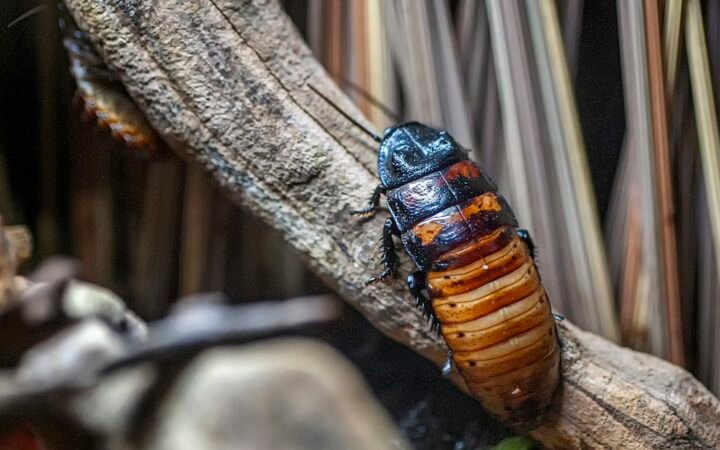
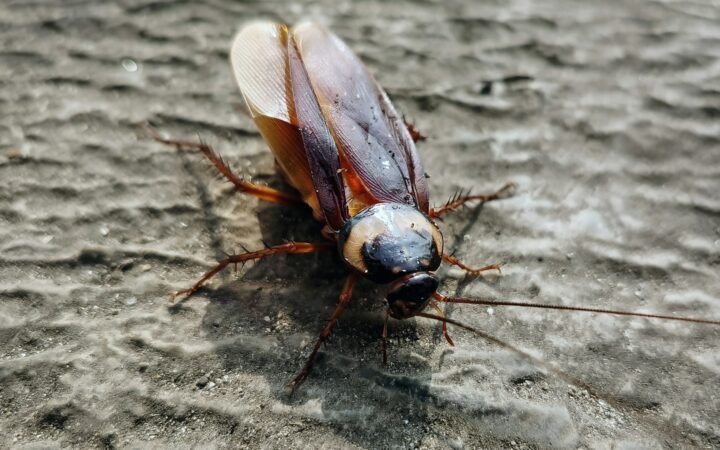
The German cockroach is the indoor pest that matters most. It’s small (about half an inch), light brown with two dark stripes behind the head, and it lives in kitchens and bathrooms near warmth and moisture. Look for black, pepper-like droppings in cabinet corners and hinges. Our step-by-step plan is in How to Get Rid of German Cockroaches for Good.
Bed bugs
Bed bugs hide in mattress seams, bed frames and headboards and come out at night to feed. Signs include small rust-colored spots on sheets, tiny pale shed skins, and itchy bites that often appear in a line or cluster. They travel in luggage and second-hand furniture, so prevention starts when you travel: see How to Check a Hotel Room for Bed Bugs and Bed Bug Bites vs Mosquito Bites.
Mice and rats
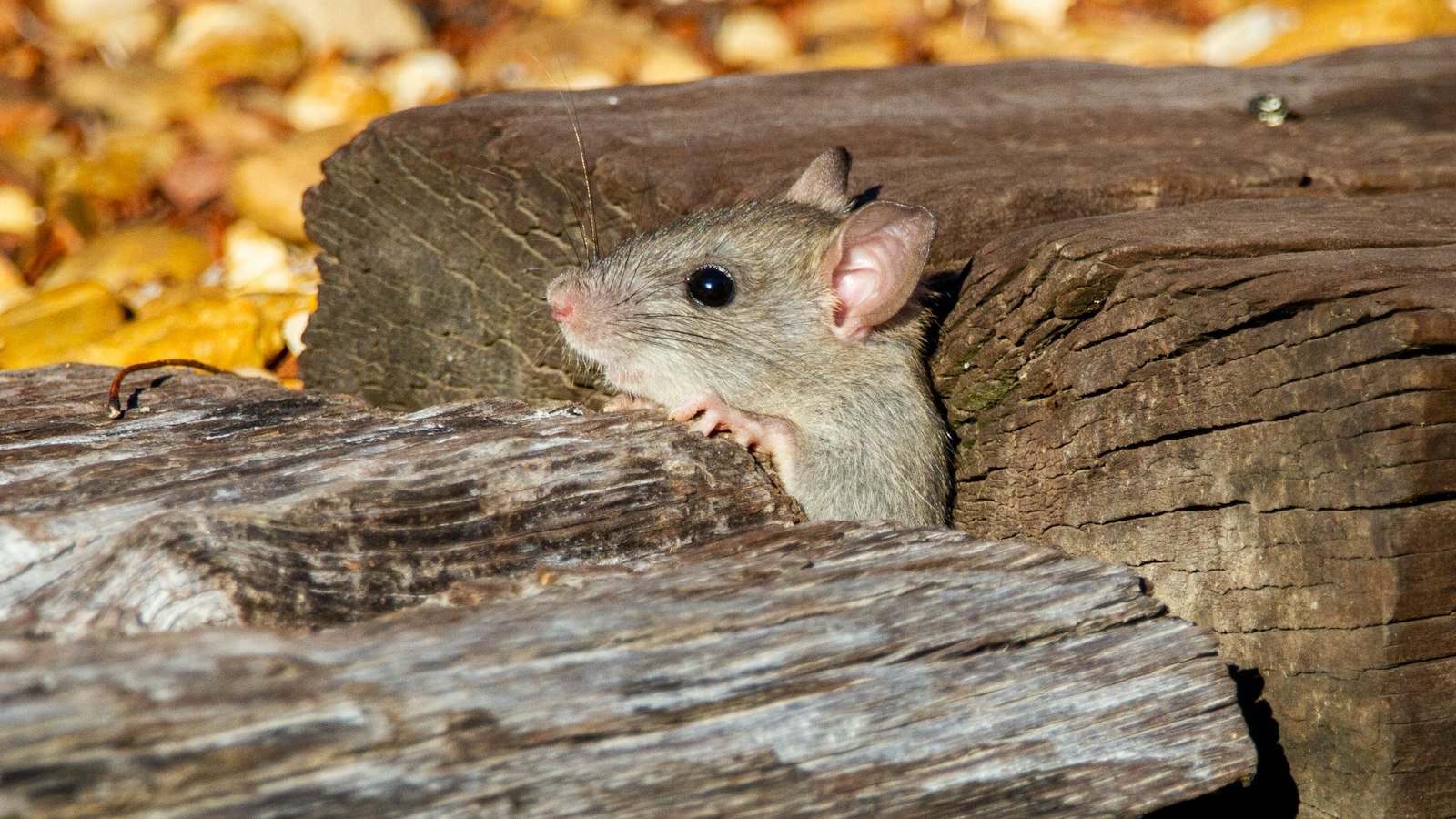
A mouse can squeeze through a gap about the width of a pencil. You’ll usually notice droppings (rice-sized for mice, larger for rats), gnawed food packaging, or scratching inside walls at night. Mice breed quickly, so a few become many within weeks. See How to Get Rid of Mice in Walls and Best Mouse Traps.
Ants
Most indoor ants are a nuisance rather than a health threat, but they contaminate food and some species sting. Slow-acting baits that workers carry back to the nest work far better than spraying the trail. See How to Get Rid of Sugar Ants and our pet-safe ant control guide.
Ticks and mosquitoes
These are yard pests with real disease risk. Simple landscape changes — mowing, clearing leaf litter, a wood-chip border at the lawn’s edge and dumping standing water weekly — cut exposure a lot. See How to Get Rid of Ticks in Your Yard and How to Keep Mosquitoes Away.
The pest control method professionals use: IPM
Integrated Pest Management (IPM) is the approach recommended by the EPA and university extension programs. It sounds technical, but it’s just common sense in the right order:
- Inspect and identify. Confirm which pest you have. Treating the wrong pest wastes money — ant bait won’t touch termites.
- Remove what the pest needs. Fix leaks, store food in sealed containers, take out trash nightly, reduce clutter, and seal gaps around pipes, doors and vents.
- Use physical controls. Traps, door sweeps, window screens, mattress encasements, steel wool and caulk.
- Use targeted chemical controls only where needed. Baits and gels placed where pests travel are more effective and expose your family to less pesticide than spraying whole rooms.
- Monitor. Sticky monitors or bait stations tell you whether the problem is really gone.
Safety first with pesticides
Always read and follow the product label — in the US, the label is a legal document. Keep baits and sprays away from children, pets and food prep areas. Never use outdoor products indoors, and never mix chemicals.
DIY vs. calling a professional
DIY makes sense when the problem is small, the pest is easy to identify, and you can reach where it lives. Call a licensed professional when:
- you suspect termites (treatment needs specialized equipment and products);
- you have bed bugs in more than one room, or DIY hasn’t worked within a few weeks;
- you see rats, or you have mice in a home with someone who has asthma or a weakened immune system;
- the infestation keeps coming back, which usually means there’s a hidden source.
If you’re pricing a pro, our cost guides show typical 2026 ranges: Termite Treatment Cost and Bed Bug Treatment Cost. Get at least two written quotes, ask what the warranty covers, and ask which product they will use.
A simple seasonal prevention checklist
- Spring: Watch for termite swarmers; check foundation for mud tubes; clean gutters.
- Summer: Dump standing water weekly; mow and clear leaf litter for ticks; check screens.
- Fall: Seal gaps before mice move indoors; trim branches touching the roof.
- Winter: Check attics, basements and garages for droppings; fix any leaks that keep wood damp.
Frequently asked questions
What is the most dangerous household pest for health?
Can I do pest control myself?
How often should a home be treated for pests?
Are natural pest control methods effective?
Sources
- US Environmental Protection Agency — Introduction to Integrated Pest Management
- US EPA — Asthma triggers: pests
- Centers for Disease Control and Prevention — How to clean up after rodents
- CDC — Preventing tick bites
- US EPA — Bed bugs
Health note: This article is for general information and isn’t medical advice. If you or someone in your home has symptoms such as wheezing, a persistent cough, a rash that spreads, or a fever after a bite, talk to a doctor or other qualified health professional. Read our disclaimer.