In this guide
Quick answer
Don’t spray the ant trail. Put out a slow-acting liquid sugar bait right next to the trail, let the ants feed and carry it back to the nest for 3–7 days, keep counters clean of other food, then seal the entry point once the ants are gone. Repellent sprays kill the ants you see but leave the colony — and the queens — untouched.
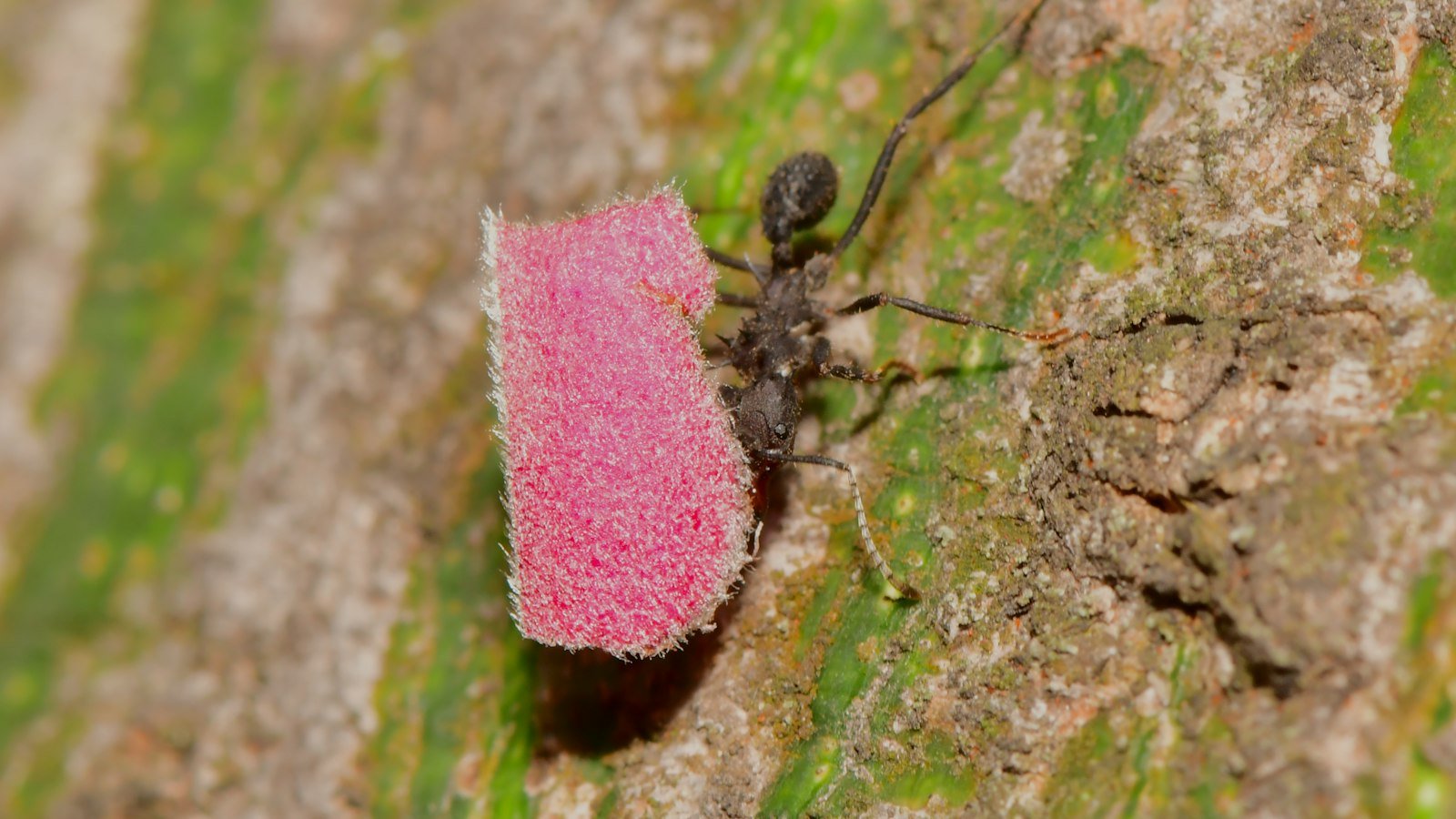
“Sugar ants” isn’t a scientific name. In the US it usually means small ants that go for sweets: odorous house ants (they smell like rotten coconut when crushed), pavement ants, Argentine ants or little black ants. In the UK, the common kitchen invader is the black garden ant. The method below works for all of them.
For an overview of every common household pest, see our complete pest control guide.
Why spraying doesn’t work
Only a small share of a colony goes out looking for food. When you spray a trail, you kill those foragers — but the nest, often with several queens, keeps producing more. Some species, like odorous house ants, even split into new colonies when stressed by sprays (“budding”), which makes the problem worse.
Baits work the other way around: the workers carry the bait back and share it with the rest of the colony, including the queens.
Step-by-step: get rid of sugar ants
1. Follow the trail
Watch where the ants come from — a gap in the window frame, a crack along the backsplash, a door threshold, or a wall outlet. You’ll use this later to seal the entry.
2. Put out liquid bait next to the trail
Use a liquid borax- or boric-acid-based sweet bait in a station or on a small piece of card. Ready-made liquid ant bait stations are easy and keep the bait contained. Place them directly next to the trail, not on top of it, and in several spots.
3. Let them feed — don’t clean the trail
For the next few days you’ll see more ants, crowding the bait. That’s good. Don’t wipe them up or spray. Replace the bait if it dries up or runs out.
4. Remove competing food
While baiting, make the bait the best meal around:
- wipe counters with soapy water (not near the bait);
- store sugar, honey, syrup, cereal and pet food in sealed containers;
- rinse recycling and take out trash;
- don’t leave pet food out overnight.
5. Wait 3–7 days
Ant numbers should drop sharply within a week. Large or multiple colonies can take two weeks. If ants ignore the bait, they may want protein or grease rather than sugar at that time of year — try a protein- or gel-based ant bait.
6. Seal the entry point
Once ants are gone, caulk the crack, gap or window frame they used. Wipe the old trail with soapy water or vinegar to remove the scent trail that guides other ants.
7. Treat outside if they keep coming back
For recurring problems, place outdoor bait stations near the foundation where trails enter, keep mulch and plants a foot away from the walls, and trim branches touching the house.
Children and pets
Borax and boric acid baits are low-toxicity in the small amounts used, but keep them out of reach. Use enclosed stations and place them behind appliances or under cabinets. If a child or pet swallows bait, contact Poison Control (US: 1-800-222-1222) or your vet. See our pet-safe ant control guide for more options.
Natural remedies: do they work?
| Remedy | Verdict |
|---|---|
| Vinegar, lemon juice, peppermint oil | Erase scent trails and deter ants briefly; don’t affect the colony |
| Cinnamon, coffee grounds, chalk lines | May make ants detour; no lasting effect |
| Homemade borax + sugar water | Works like commercial bait if mixed weak (slow-acting); keep away from kids and pets |
| Food-grade diatomaceous earth | Can kill ants that cross it when dry; slow and messy indoors |
| Boiling water on outdoor nests | Kills part of a nest; often misses queens and damages plants |
When to call a professional
- Ants keep returning after two rounds of baiting.
- You see large black ants and sawdust — possibly carpenter ants nesting in damp wood. See Flying Ants vs Termites.
- You’re in the southern US and see fire ants (aggressive, painful stings) near the house.
- The ants are coming from inside walls or under the floor.
Frequently asked questions
Why do I have ants in a clean kitchen?
How long does ant bait take to work?
Are sugar ants harmful?
Sources
- UC Statewide IPM Program — Pest Notes: Ants
- US EPA — Introduction to Integrated Pest Management