In this guide
Quick answer
Before unpacking, put your luggage in the bathroom or on a hard luggage rack away from the bed. With your phone flashlight, check the mattress seams and corners at the head of the bed, the headboard, and the nightstands. You’re looking for small reddish-brown bugs, black marker-like dots and rusty stains. If you find anything, ask for a different room — not next to or directly above or below the first one.
Bed bugs aren’t a sign of a dirty hotel; they hitchhike in luggage and can appear in luxury hotels as easily as budget ones. Learning to check for bed bugs in a hotel takes five minutes, and a few minutes of checking when you arrive is the most effective way to avoid bringing them home — where getting rid of them is far more expensive.
What you’re looking for
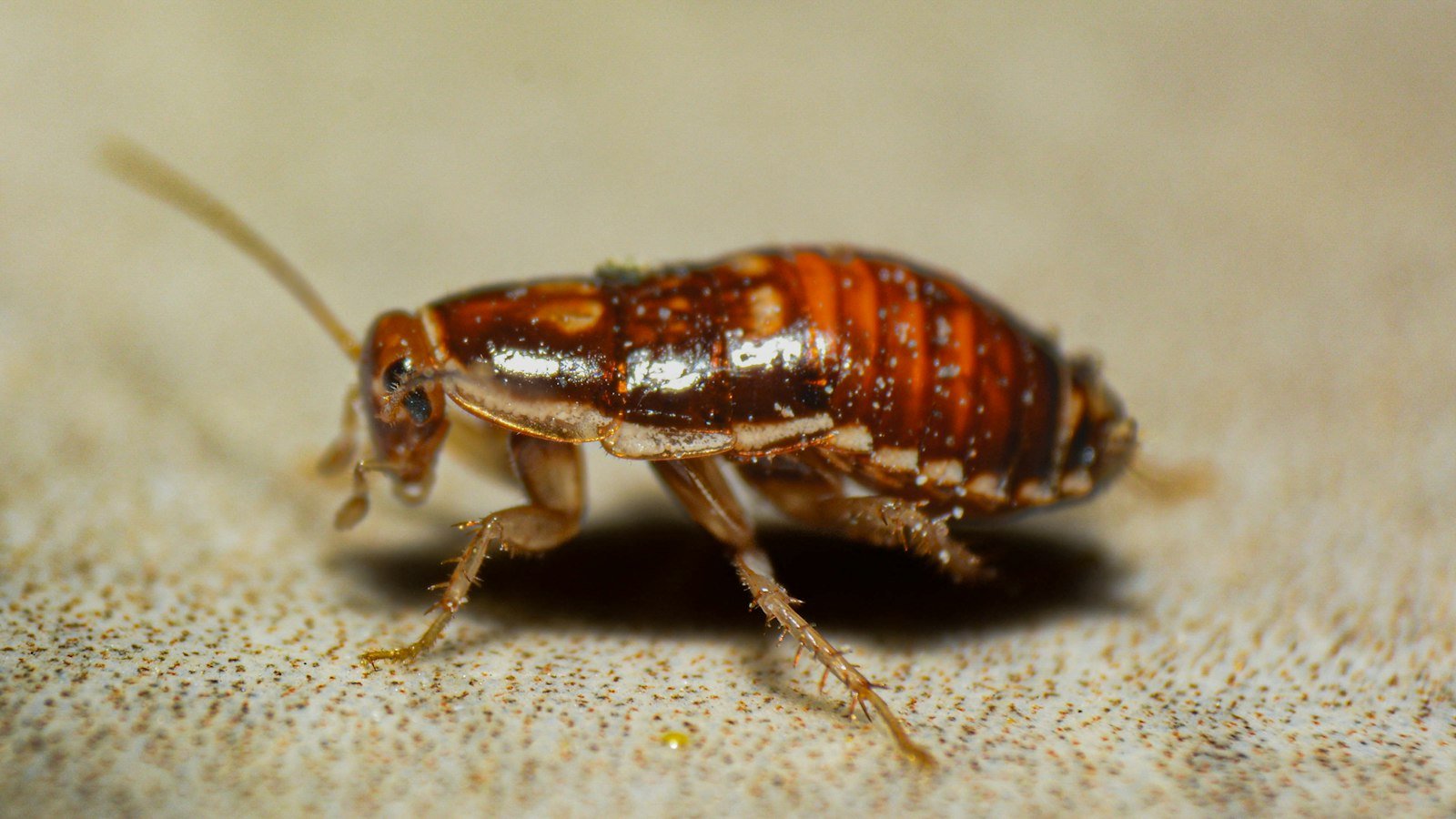
- Live bed bugs: flat, oval, about the size of an apple seed (5 mm), reddish-brown. Young ones are smaller and paler.
- Fecal spots: clusters of tiny black dots, like someone tapped a marker on the fabric.
- Blood stains: small rust-colored smears on sheets or mattress.
- Shed skins and eggs: pale, empty exoskeletons and tiny white eggs in seams.
The 5-minute check
1. Park your luggage safely (30 seconds)
Before anything else, put your bags in the bathroom (on the tile floor or in the bathtub) or on a metal luggage rack pulled away from the wall and bed. Never put luggage on the bed or upholstered chairs.
2. Check the bed — head end first (2 minutes)
Bed bugs stay close to where people sleep, especially near the head of the bed.
- Pull back the sheets at the top corners.
- Check the mattress seams, piping and tags with your flashlight.
- Lift the mattress corner and look at the box spring edges and corners.
- Look at the sheets and pillowcases for spots.
3. Check the headboard (1 minute)
Headboards are often mounted on the wall and are a favorite hiding place. Look along edges and joints. If the headboard can be lifted slightly off its wall bracket, look behind it — but don’t force anything.
4. Check nearby furniture (1 minute)
Look at the nightstand drawers and seams, cushions of upholstered chairs and sofas, and curtain folds near the bed.
5. Decide (30 seconds)
No signs? Unpack, but keep your suitcase zipped and on the rack when not in use. Found something? Take a photo and ask the front desk for another room — ideally on a different floor, because bed bugs can spread to adjacent rooms.
Travel kit tip
Pack a few large zip-top bags or a laundry bag. Keep worn clothes sealed in a bag during the trip, and pack it straight into the washer when you get home.
What to do when you get home
- Unpack outside the bedroom — in a garage, laundry room or bathroom.
- Wash and dry all clothes, including unworn ones, on the highest dryer heat for at least 30 minutes. Heat kills all life stages. Items that can’t be washed can go in the dryer alone.
- Vacuum your suitcase, especially seams and pockets, and empty the vacuum into a sealed bag outside.
- Store luggage away from bedrooms — in a garage or closet, not under the bed.
If you think you brought bed bugs home
Watch for new bites appearing over the following weeks, and check your own mattress seams. Our guide to bed bug bites vs mosquito bites explains how to tell them apart. Early detection makes treatment much simpler and cheaper — see Bed Bug Treatment Cost.
Your rights if you find bed bugs in a hotel
- Report it to the front desk and document it with photos.
- Ask for a room change or a refund.
- If you were bitten or think you brought bugs home, keep receipts for laundry or treatment, and contact the hotel in writing.
- You can also report it to your local health department in the US, or to the local council’s environmental health team in the UK.
Frequently asked questions
Can bed bugs live in suitcases?
Do bed bugs only live in beds?
Will a hotel tell you if they had bed bugs?
Sources
- US EPA — Bed bugs: top 10 tips to prevent or control bed bugs
- NHS — Bedbugs