In this guide
Quick answer
Ticks live in shady, humid edges — leaf litter, tall grass, brush and the border between lawn and woods. Make your yard less tick-friendly: mow regularly, remove leaf litter, clear brush, and put a 3-foot-wide strip of wood chips or gravel between lawn and wooded areas. Keep play areas in the sun and away from the yard’s edges. For high-tick areas, a targeted perimeter treatment by a professional can reduce ticks further. Always do a tick check after time outdoors.
Ticks spread Lyme disease and several other infections, and in many parts of the US, a lot of tick bites happen right at home. If you want to get rid of ticks in your yard, start with the landscape. You can’t make a yard tick-free, but you can make it a much less welcoming place.
For an overview of every common household pest, see our complete pest control guide.
Which ticks matter
| Tick | Where (mainly) | Diseases it can spread |
|---|---|---|
| Blacklegged (deer) tick | Northeast, Mid-Atlantic, Upper Midwest; Western blacklegged tick on Pacific coast | Lyme disease, anaplasmosis, babesiosis |
| Lone star tick | Southeast, South Central, expanding north | Ehrlichiosis; linked to alpha-gal syndrome (red meat allergy) |
| American dog tick | East of the Rockies, parts of the West Coast | Rocky Mountain spotted fever, tularemia |
| Castor bean / sheep tick (Ixodes ricinus) | UK and Europe | Lyme disease, tick-borne encephalitis in some regions |
Step 1: Change the landscape (most effective)
These steps come from CDC and state health department guidance:
- Mow the lawn often and keep grass short, especially along paths and play areas.
- Remove leaf litter and clear tall grass and brush around the house and at lawn edges.
- Create a barrier. A 3-foot-wide strip of wood chips or gravel between lawn and woods or stone walls discourages ticks from moving into the lawn.
- Keep play equipment, decks and patios in sunny spots away from yard edges and trees.
- Stack firewood neatly in a dry, sunny spot to discourage rodents, which carry ticks.
- Remove old furniture, mattresses and trash that give rodents cover.
- Discourage deer with fencing and by choosing plants deer don’t prefer.
Step 2: Reduce tick hosts
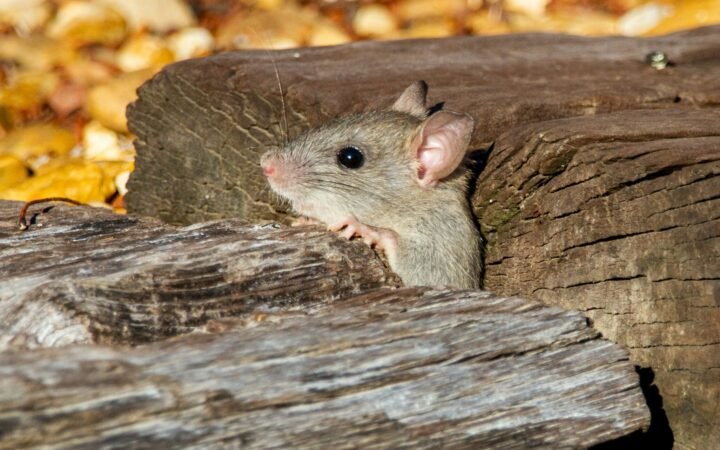
Mice and other small mammals are major hosts for young ticks. Sealing rodent hiding spots helps. Tick tubes — cardboard tubes filled with cotton treated with permethrin — work by letting mice take treated nesting material back to their nests, killing ticks on the mice. Results vary, but they’re a low-impact option to add. Find permethrin tick tubes here.
Step 3: Consider a targeted yard treatment
A single, well-timed perimeter treatment (often late spring, when young nymph ticks are active) can reduce tick numbers. Pest professionals typically treat wooded edges, stone walls and ornamental gardens rather than the whole lawn.
- Ask which product will be used and how long to keep children and pets off treated areas.
- Avoid spraying where pollinators feed or near water.
- Treatments supplement landscape changes; they don’t replace them.
Step 4: Protect your family
- Use EPA-registered repellent on skin: DEET, picaridin, IR3535, oil of lemon eucalyptus (not for children under 3), PMD or 2-undecanone. Use EPA’s search tool to choose one.
- Treat clothing and shoes with permethrin (never on skin) or buy pre-treated clothing.
- Check for ticks after being outdoors — behind knees, around the waist, under arms, in and around ears and hair, inside the belly button.
- Shower within two hours of coming indoors.
- Tumble dry clothes on high heat for 10 minutes to kill ticks on dry clothing.
Step 5: Protect pets
Dogs and outdoor cats bring ticks inside. Ask your vet about tick prevention products suitable for your pet, and check pets after walks. Some dog products are toxic to cats, so never use a dog product on a cat.
Removing a tick and when to see a doctor
Use fine-tipped tweezers to grasp the tick close to the skin and pull upward with steady pressure. Clean the bite with soap and water or rubbing alcohol. Don’t use heat, nail polish or petroleum jelly. See a doctor if you develop a rash (especially a spreading bull’s-eye rash), fever, chills, aches or fatigue in the weeks after a tick bite.
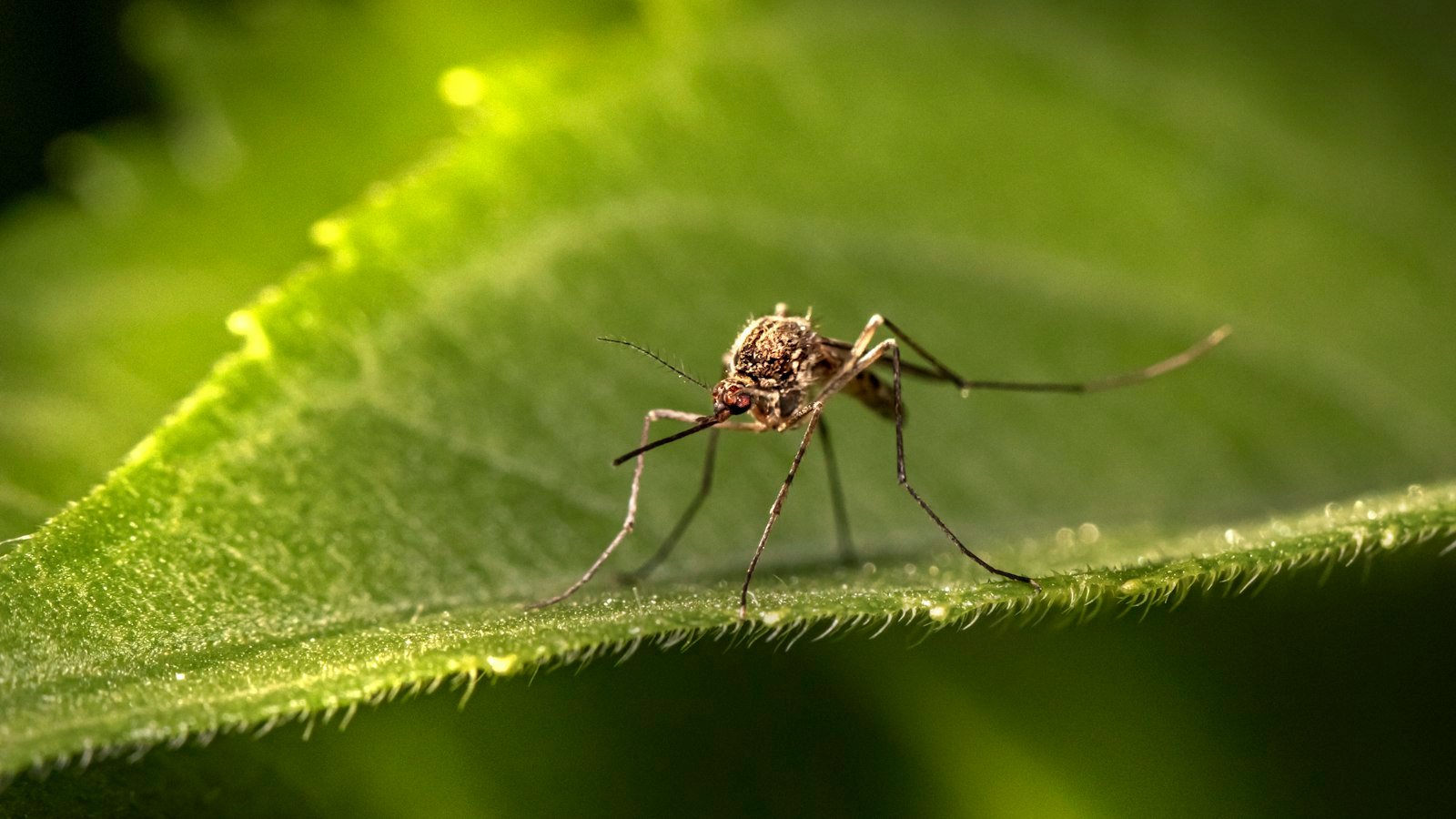
For mosquitoes, which share much of the same yard strategy, read How to Keep Mosquitoes Away from Your Yard.
Frequently asked questions
What kills ticks in the yard naturally?
When are ticks most active?
Can ticks live in the house?
Sources
- Centers for Disease Control and Prevention — Preventing tick bites
- US EPA — Find the repellent that is right for you
- NHS — Lyme disease
Health note: This article is for general information and isn’t medical advice. If you or someone in your home has symptoms such as wheezing, a persistent cough, a rash that spreads, or a fever after a bite, talk to a doctor or other qualified health professional. Read our disclaimer.