In this guide
Quick answer
The strongest signs of hidden mold are a musty smell that’s strongest near one wall, stains or discoloration that come back, bubbling or peeling paint, warped baseboards, and a history of leaks in that spot. A $25–$40 pin moisture meter can confirm damp drywall. If readings are high, find and fix the water source and have the area opened and inspected — mold inside a wall cavity is usually a job for a professional.
Mold inside walls grows where you can’t see it: on the back of drywall, on wall studs and insulation, and around leaking pipes. It often goes unnoticed until there’s a smell or a stain. The key is to find the moisture, because hidden mold almost never exists without it.
9 signs of mold in walls
- A musty, earthy smell that’s strongest in one room or near one wall, often worse when the room is closed up or the heat or AC is running.
- Stains or discoloration — yellow, brown or gray — that return after you clean or paint over them.
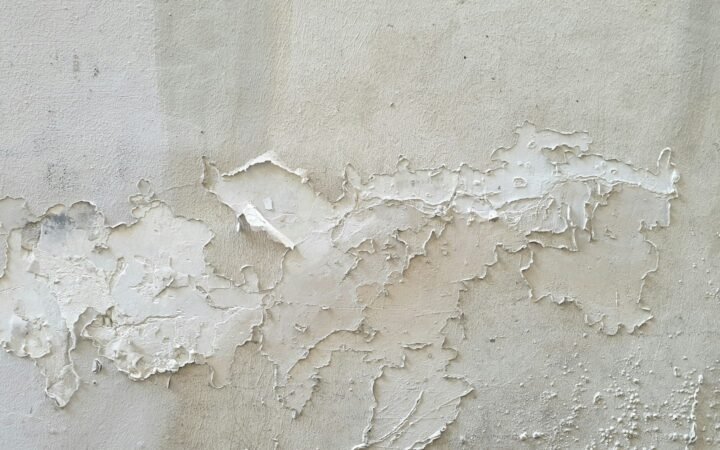
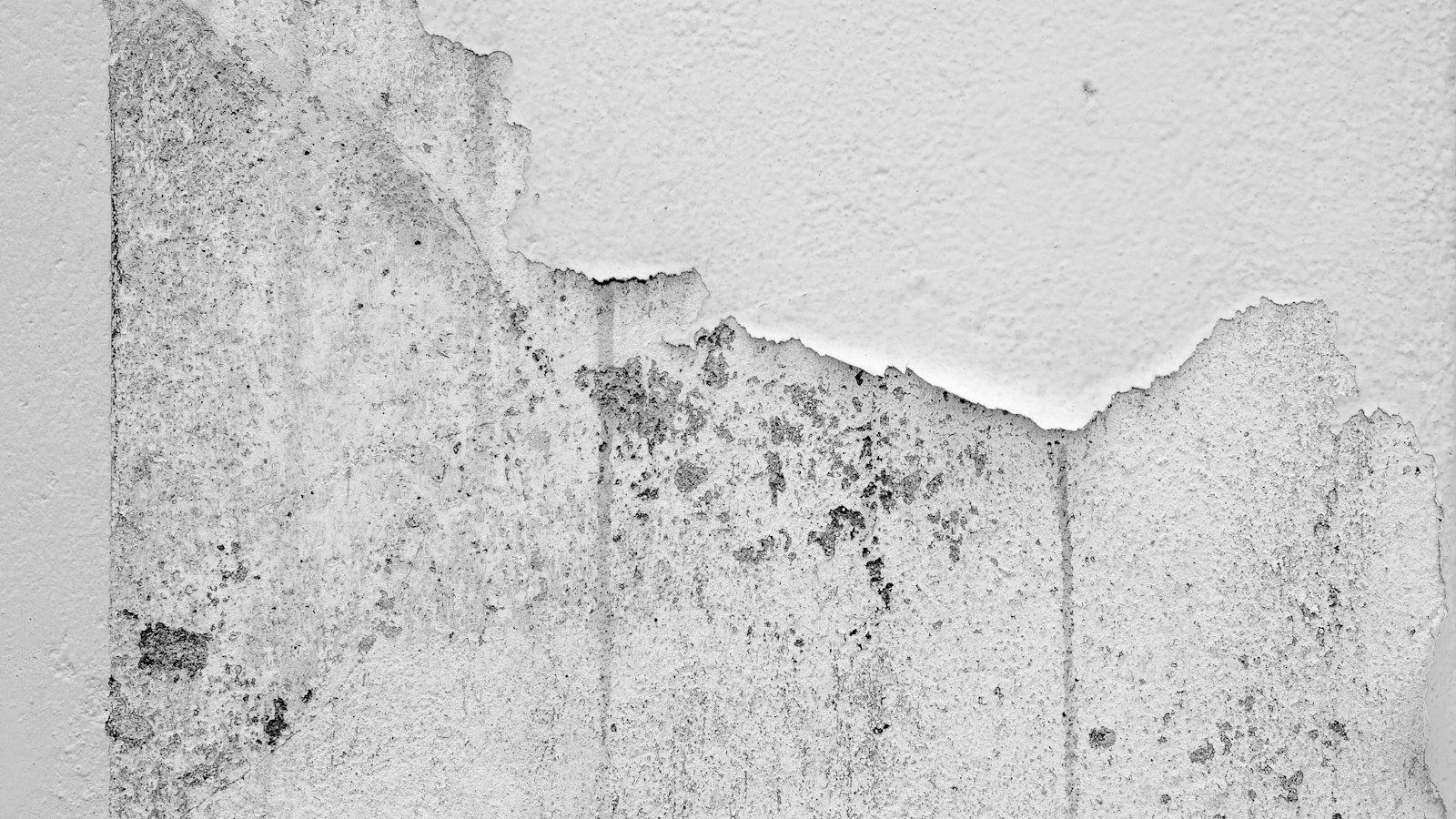
- Bubbling, cracking or peeling paint or wallpaper.
- Warped or bowed drywall, or drywall that feels soft when pressed.
- Swollen or stained baseboards and trim.
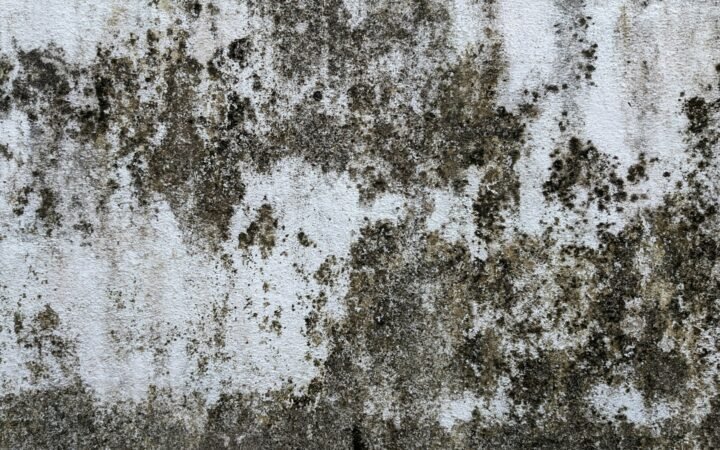
- Visible mold at the edges — around outlets, along the baseboard, or at the corner of the ceiling.
- A recent or past leak on the other side of the wall (bathroom, kitchen, laundry, roof, window).
- Condensation that regularly runs down a cold outside wall.
- Allergy or asthma symptoms that are worse in one room and improve when you leave.
Most common causes
| Location | Typical moisture source |
|---|---|
| Wall behind a shower or tub | Failed grout or caulk, leaking shower valve |
| Kitchen wall | Leaking sink drain, dishwasher or fridge water line |
| Exterior walls | Rain getting past siding or around windows; condensation |
| Basement walls | Groundwater, poor drainage, high humidity |
| Under windows | Leaking frames, condensation running down |
| Ceilings and upper walls | Roof leak, attic condensation, leaking upstairs bathroom |
How to confirm it (without opening the wall yet)
Use a moisture meter
A pin-type moisture meter measures water content in drywall and wood. Readings that are clearly higher in one area than on a dry reference wall in the same room point to a moisture problem. Pinless meters scan the surface without making holes, which is handy for mapping a damp area. Look for models with drywall and wood settings, such as these moisture meters on Amazon.
Check from the other side
Look inside the cabinet under the sink, behind the toilet, in the attic, or in the basement ceiling below the suspect wall. Water stains and visible mold there often explain what’s happening inside the wall.
Look through an existing opening
With the power off at the breaker, remove an outlet or switch cover on the suspect wall and shine a flashlight into the cavity. Don’t poke wires. A musty smell, visible mold or damp insulation is a clear answer.
Consider a professional inspection
A mold inspector or water-damage professional can use an infrared camera and moisture meters to map the problem. Air sampling is sometimes offered; it can help when you smell mold but can’t find it, but it isn’t always necessary. See Mold Test Kits: Are They Worth It?
What to do if you find mold in a wall
- Stop the water. Fix the leak or the moisture source first — otherwise mold will return.
- Don’t open large sections yourself if mold is extensive. Disturbing it can spread spores through the house.
- Small, limited areas (under ~10 sq ft total): cut out damp, moldy drywall wearing an N95 mask, goggles and gloves, bag it, dry the cavity fully, clean the studs with detergent and water, and replace.
- Larger areas or contaminated water: call a remediation company that uses containment and HEPA air filtration. See Mold Remediation Cost.
- Check insurance. Sudden leaks (a burst pipe) are more likely to be covered than slow, long-term leaks.
Don’t paint over it
Stain-blocking primer hides the mark but doesn’t stop mold that’s growing behind or within the drywall. Fix the moisture and remove damaged material first.
How to prevent mold inside walls
- Repair leaks within 24–48 hours and dry wet areas completely — see our 48-hour water leak plan.
- Keep humidity at 30–50% — see Ideal Indoor Humidity.
- Maintain caulk and grout in bathrooms.
- Keep furniture a few inches away from cold outside walls so air can circulate.
- Clean gutters and grade soil away from the foundation.
Frequently asked questions
Can you smell mold in walls?
Is mold in walls dangerous?
Can a home inspector find mold in walls?
Sources
- US EPA — A Brief Guide to Mold, Moisture and Your Home
- US EPA — Mold cleanup in your home
Health note: This article is for general information and isn’t medical advice. If you or someone in your home has symptoms such as wheezing, a persistent cough, a rash that spreads, or a fever after a bite, talk to a doctor or other qualified health professional. Read our disclaimer.