In this guide
Quick answer
A musty smell in the basement is caused by mold or mildew growing on damp materials. To get rid of it: (1) measure humidity — if it’s above 50%, (2) run a dehumidifier set to 45–50%, (3) find and fix water entry (gutters, cracks, leaks), (4) remove or clean moldy items like cardboard, carpet and old furniture, and (5) improve air circulation. The smell usually fades within one to two weeks once the space stays dry.
Almost every basement smells a little earthy, but a strong, lingering mustiness means something is growing. Basements are partly underground, so their walls and floors stay cool, and warm humid air condenses on them. Add groundwater seeping through concrete and you have ideal conditions for mold and mildew.
For the full picture on mold and damp, see our mold hub guide.
Step 1: Find out how damp it is
Place a digital hygrometer in the basement for a few days. Readings:
- Below 50%: humidity isn’t the main problem — look for a specific leak or source.
- 50–60%: borderline; mildew and dust mites thrive.
- Above 60%: mold growth is likely. A dehumidifier is needed.
See Ideal Indoor Humidity Level for more on the numbers.
Step 2: Look for the source
| Where | What to look for |
|---|---|
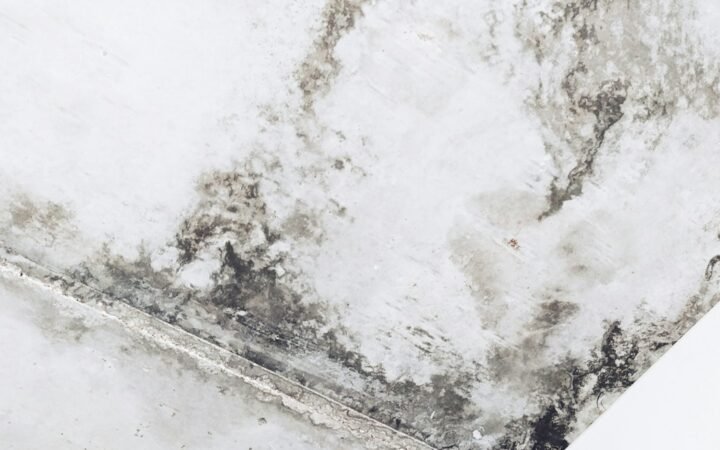
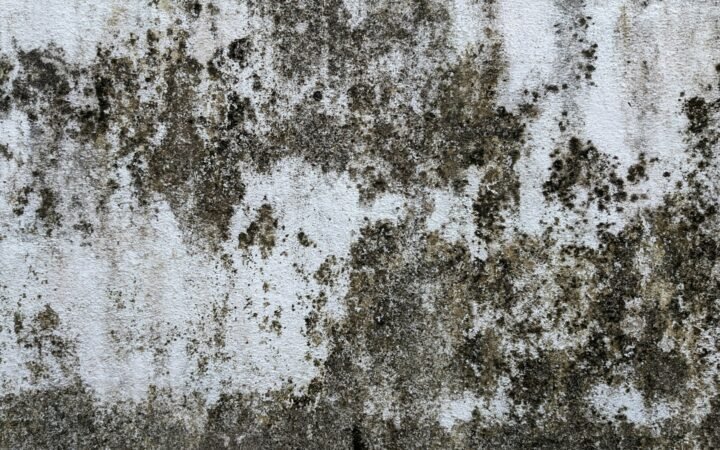
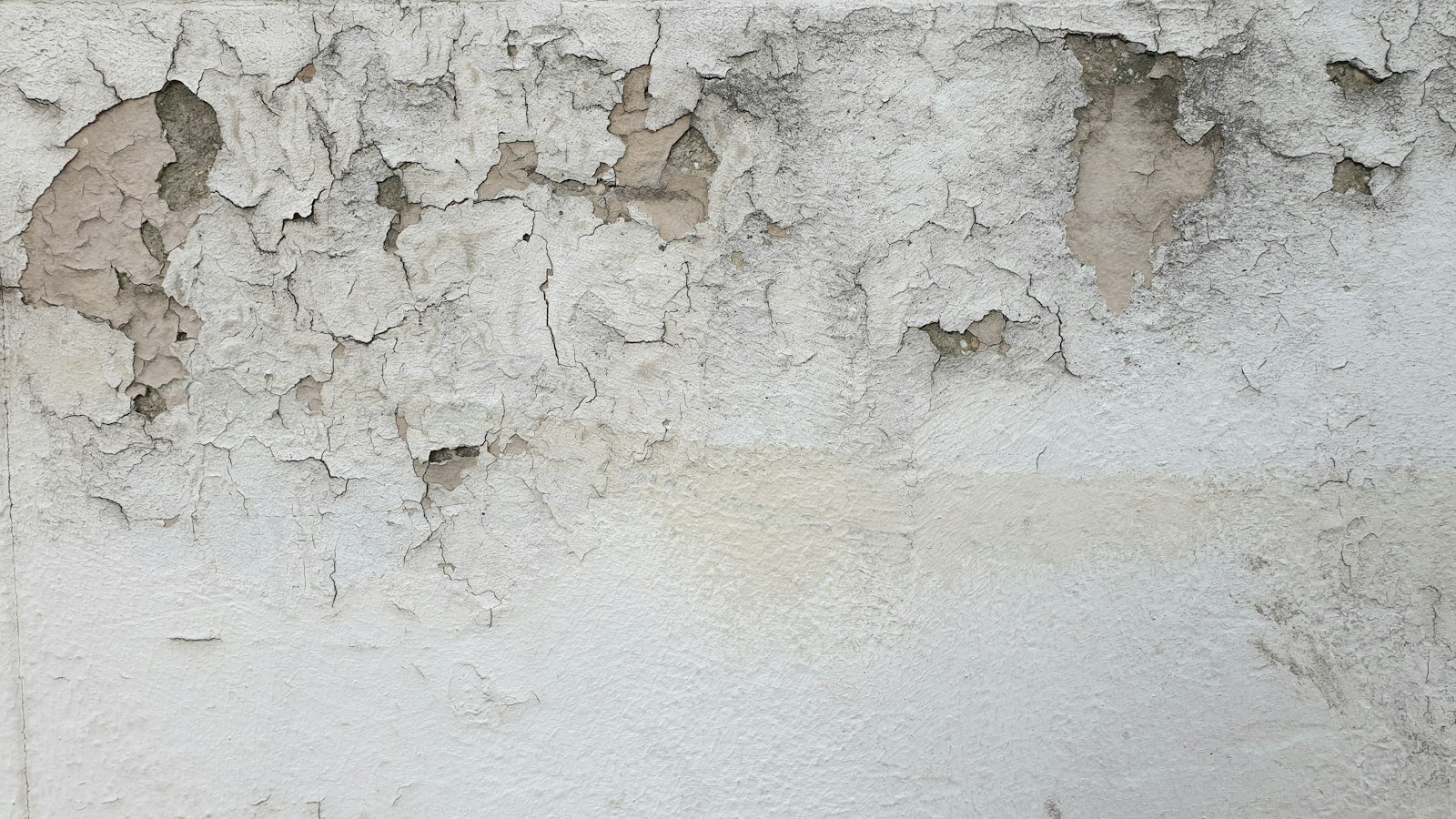
| Walls | White chalky deposits (efflorescence), dark stains, peeling paint |
| Floor | Damp patches, water lines, cracks |
| Wall–floor joint | Water seeping in after rain |
| Pipes and water heater | Drips, condensation on cold pipes |
| Windows and window wells | Leaves and water pooling in wells |
| Stored items | Moldy cardboard boxes, books, old rugs, upholstered furniture |
| Sump pit | Standing water, a failing pump |
| HVAC | Musty smell when the system runs — see Mold in AC Vents |
The tape test
Tape a 1-foot square of plastic wrap tightly to the basement wall and leave it for 2–3 days. Water on the wall side means moisture is coming through the concrete from outside. Water on the room side means condensation from humid indoor air — a dehumidifier will fix that.
Step 3: Dry the space
- Run a dehumidifier set to 45–50%, with a hose to a floor drain or sump so it runs continuously. Size it for your basement — see Best Dehumidifiers for Basements. You can compare basement dehumidifiers here.
- Insulate cold water pipes to stop condensation dripping.
- Keep basement windows closed in humid summer weather — opening them lets warm, wet air in to condense.
- Improve air flow with a fan, and keep stored items off the floor and away from walls.
Step 4: Clean up mold and remove the source of the smell
- Wear an N95 mask, goggles and gloves.
- Throw out moldy cardboard, paper, old carpet and padding — they hold the smell and can’t be fully cleaned. Store items in plastic bins, not boxes.
- Scrub mold from hard surfaces (concrete, metal, plastic) with detergent and water; rinse and dry.
- Wash fabrics on hot or take them to a cleaner.
- For mold covering more than about 10 square feet, or on drywall and framing, call a professional. See Mold Remediation Cost.
Step 5: Stop water getting in
- Clean gutters and extend downspouts at least 4–6 feet from the foundation.
- Grade soil so it slopes away from the house.
- Seal small cracks in walls and floors with hydraulic cement or a polyurethane crack sealer.
- Fit covers on window wells.
- Test your sump pump before the rainy season.
For persistent water through walls or floors, a waterproofing contractor can assess interior drainage or exterior membranes.
Step 6: Neutralize leftover odor
Once the space is dry and mold is gone, odor fades on its own. To speed it up:
- set out bowls of baking soda or bags of activated charcoal;
- wash walls and floors with a mild detergent;
- run an air purifier with a carbon filter.
Avoid air fresheners and scented candles as the main fix — they mask the smell while the cause continues.
Frequently asked questions
Is a musty smell in the basement harmful?
Can a musty basement smell spread through the house?
Does a dehumidifier get rid of musty smell?
Sources
- US EPA — A Brief Guide to Mold, Moisture and Your Home
- ENERGY STAR — Dehumidifiers
Health note: This article is for general information and isn’t medical advice. If you or someone in your home has symptoms such as wheezing, a persistent cough, a rash that spreads, or a fever after a bite, talk to a doctor or other qualified health professional. Read our disclaimer.