In this guide
Quick answer
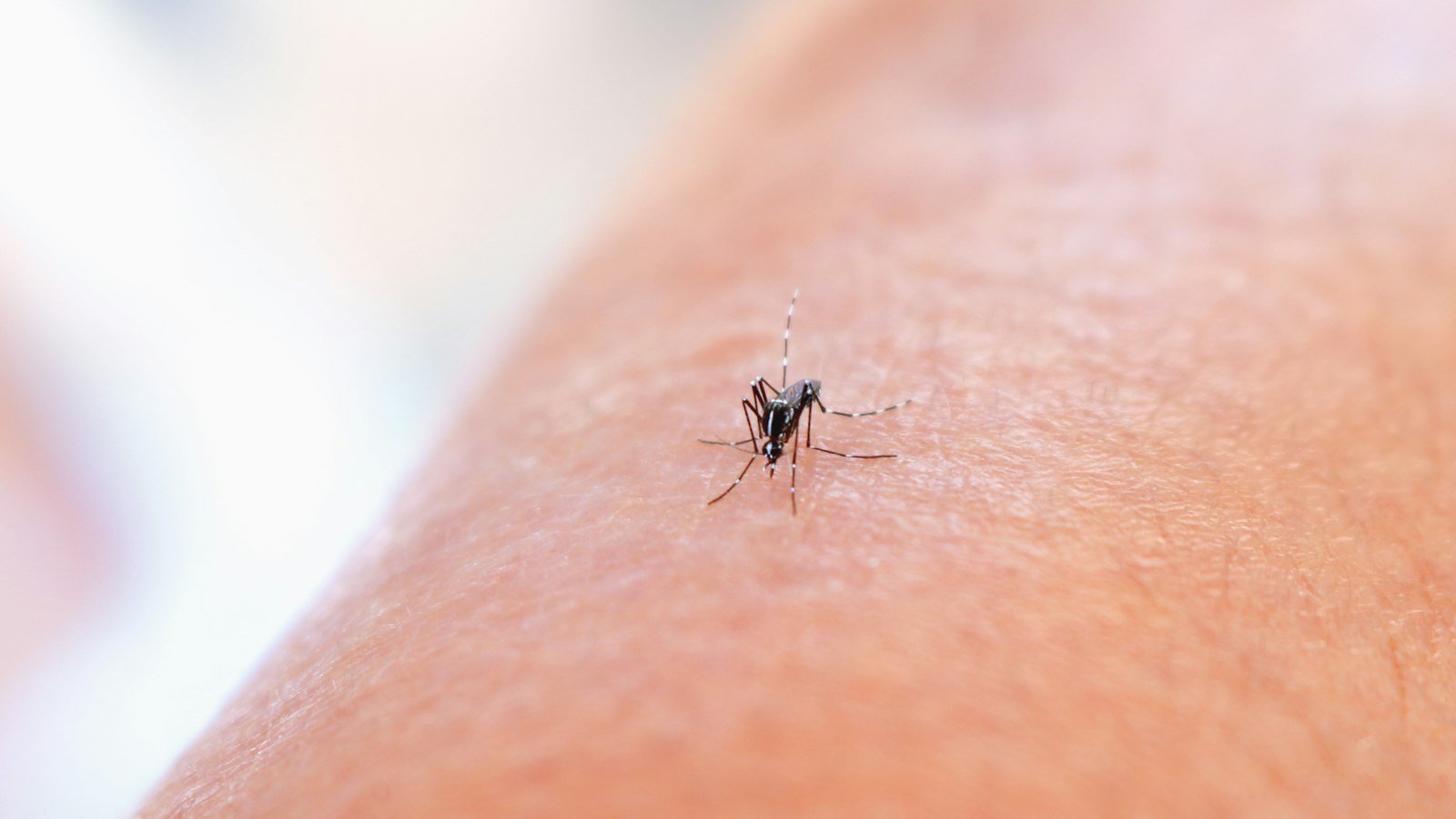
Mosquito bites usually appear within minutes, are scattered and random, and are on skin that was exposed outdoors or near an open window. Bed bug bites often appear hours to days later, are in lines or clusters of three to five on skin exposed while sleeping (neck, arms, shoulders, legs), and keep appearing night after night. The bite alone can’t prove bed bugs — you need to find signs in the bed.
Itchy red bumps in the morning are frustrating, and the worry that they might be bed bugs can keep you awake even more than the itch. Here’s how to work out which insect is responsible, what to check, and how to treat the bites.
For an overview of every common household pest, see our complete pest control guide.
Side-by-side comparison
| Bed bug bites | Mosquito bites | |
|---|---|---|
| Pattern | Often in rows or clusters (“breakfast, lunch and dinner”) | Random, scattered |
| When they appear | Can take hours to several days to show | Within minutes |
| Where on the body | Skin exposed in bed: neck, face, arms, shoulders, legs | Any exposed skin, often ankles, arms, legs |
| When you get them | During sleep, usually indoors | Dusk, dawn, outdoors or near open windows |
| Appearance | Small red welts, sometimes with a darker center | Puffy, pinkish bump that swells quickly |
| Itch | Can be intense; lasts days | Intense at first; usually fades in a few days |
| Keep coming back? | Yes, night after night, in the same bed | Depends on weather and exposure |
| Disease risk | Not known to spread disease | Can spread West Nile, dengue and other viruses in some regions |
Some people have no reaction at all to bed bug bites, which is why a partner may be covered in bites while the other person has none.
Check your bed for these signs
Because bites can be caused by many things — mosquitoes, fleas, mites, spiders, even skin conditions — the only way to confirm bed bugs is to find evidence. With a flashlight and a credit card, check:
- Mattress seams, piping and tags, especially at the head end.
- Box spring and the underside fabric.
- Headboard joints and the wall behind it.
- Bed frame screws and cracks.
- Nearby furniture — nightstands, upholstered chairs, curtain folds.
You’re looking for:
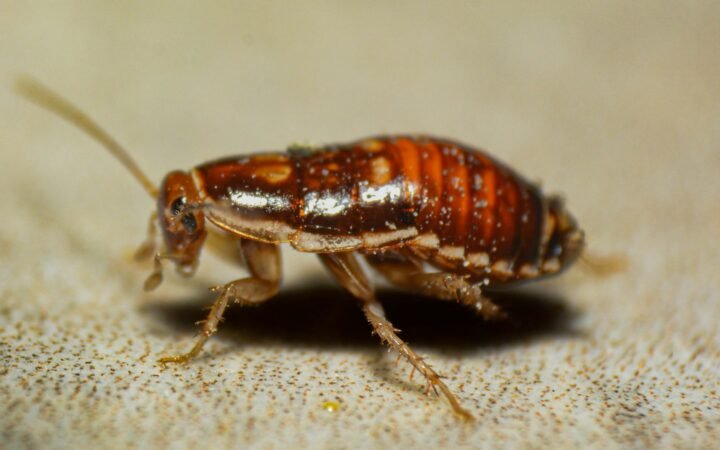
- live bugs — flat, oval, apple-seed-sized (about 5 mm), reddish-brown;
- tiny dark spots like marker dots (droppings);
- rust-colored stains on sheets (crushed bugs);
- pale, empty shed skins and tiny white eggs.
Placing interceptor cups under the bed legs (smooth plastic dishes that trap climbing bugs) is an easy way to confirm activity over a week or two.
If it’s mosquitoes
Look for standing water inside and outside — plant saucers, gutters, buckets, pet bowls. Check window screens for holes. Our guide to keeping mosquitoes away from your yard covers the steps that work.
If it’s bed bugs
Don’t panic and don’t throw your mattress away — it’s rarely necessary.
- Wash bedding and clothing from the room and dry on high heat for at least 30 minutes.
- Vacuum the mattress, seams and floor; empty the vacuum outside in a sealed bag.
- Fit a certified bed bug mattress encasement.
- Reduce clutter around the bed.
- Contact a professional — DIY sprays alone rarely eliminate bed bugs. See Bed Bug Treatment Cost for what to expect.
If you’ve recently traveled, read How to Check a Hotel Room for Bed Bugs to avoid bringing them home again.
How to treat the bites
- Wash with soap and water.
- Use a cold compress to reduce swelling.
- Try an over-the-counter anti-itch cream (such as hydrocortisone 1%) or an oral antihistamine — check with a pharmacist, especially for children or if you take other medicines.
- Don’t scratch — broken skin can become infected.
See a doctor if…
bites become increasingly red, warm, swollen or painful, ooze pus, or you develop a fever (signs of infection); if you have a widespread rash or blisters; or if you have any trouble breathing or swelling of the lips, face or throat after a bite — that needs emergency care. After mosquito bites in regions with mosquito-borne diseases, see a doctor if you develop fever, headache or body aches.
Frequently asked questions
Do bed bug bites always come in threes?
Why do I have bites but my partner doesn’t?
Can bed bug bites spread disease?
Sources
- US EPA — Bed bugs
- NHS — Bedbugs
- NHS — Insect bites and stings
Health note: This article is for general information and isn’t medical advice. If you or someone in your home has symptoms such as wheezing, a persistent cough, a rash that spreads, or a fever after a bite, talk to a doctor or other qualified health professional. Read our disclaimer.