In this guide
Quick answer
Keep indoor humidity between 30% and 50%. The EPA recommends staying below 60% and ideally in the 30–50% range. In cold winters, aim for the lower end (30–40%) to avoid window condensation; in summer, keep it below 50% to discourage mold and dust mites. A $10–$20 digital hygrometer tells you where you stand.
The ideal indoor humidity for most homes is 30–50%, and humidity is the hidden control dial for a healthy home. Too high, and you get mold, dust mites, musty smells and a better environment for pests like cockroaches and silverfish. Too low, and you get dry skin, irritated sinuses, static and cracked wood. Getting it right is one of the cheapest and most effective things you can do for your family’s health.
The ideal range at a glance
| Humidity | What happens |
|---|---|
| Below 30% | Dry skin and eyes, irritated nose and throat, static shocks, cracking wood floors |
| 30–50% | Comfortable; discourages mold and dust mites |
| 50–60% | Dust mites thrive; condensation risk in cool areas |
| Above 60% | Mold growth likely on cool surfaces, musty smells, more pests |
Best humidity by season
Winter (heating season). Aim for 30–40%. When it’s very cold outside, window glass and outside walls get cold, and moist indoor air condenses on them — leading to mold on window frames and wall corners. If you see condensation on windows, your humidity is too high for the outside temperature.
Summer (cooling season). Aim for 40–50%. Air conditioning removes moisture naturally, but basements, crawl spaces and homes in humid climates often need a dehumidifier.
Spring and fall. 30–50%. Watch basements during rainy seasons.
Why humidity matters for health
- Mold needs moisture. Keeping humidity below 50–60% and drying wet materials within 24–48 hours is the EPA’s main advice for preventing it. See our mold hub guide.
- Dust mites, a leading indoor allergen, absorb water from the air and struggle to survive when relative humidity stays below about 50%.
- Pests such as cockroaches, silverfish and centipedes are drawn to damp areas.
- Too-dry air can irritate the airways and make colds feel worse.
How to measure humidity
Buy a digital hygrometer — many inexpensive models also show temperature and record highs and lows. Place one in the main living area and one in the basement or most humid room. Compare readings over a week, at different times of day. You can find well-reviewed options on Amazon.
Signs your home is too humid
- condensation on windows, especially in the morning
- musty smell, particularly in basements and closets
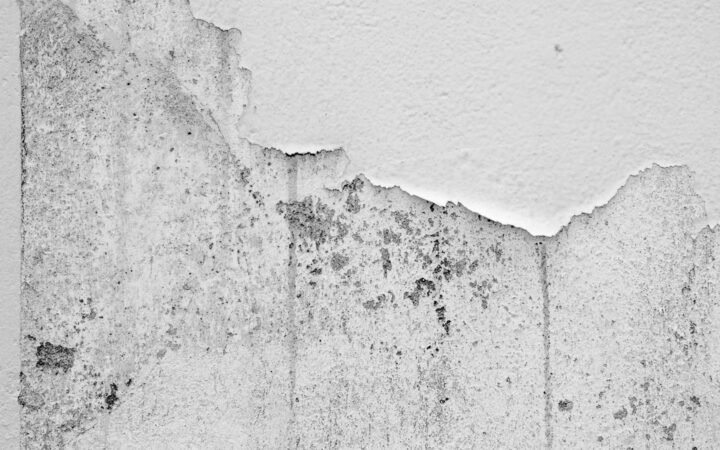
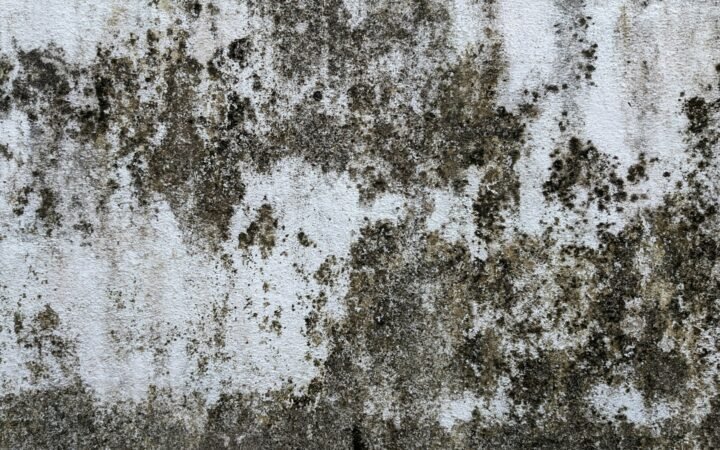
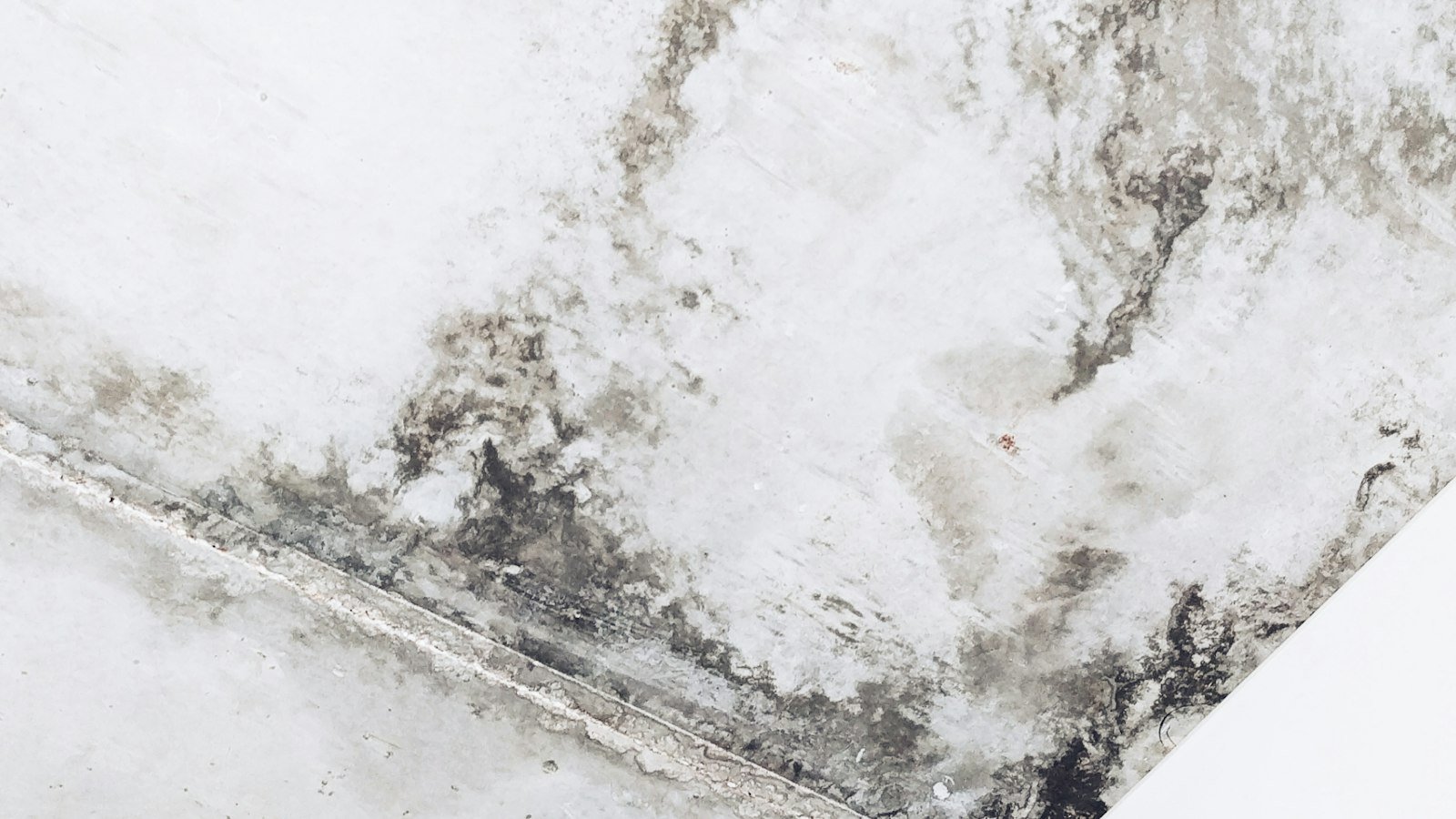
- mold spots on window frames, ceilings, or behind furniture against outside walls
- damp or clammy-feeling air, sheets that feel damp
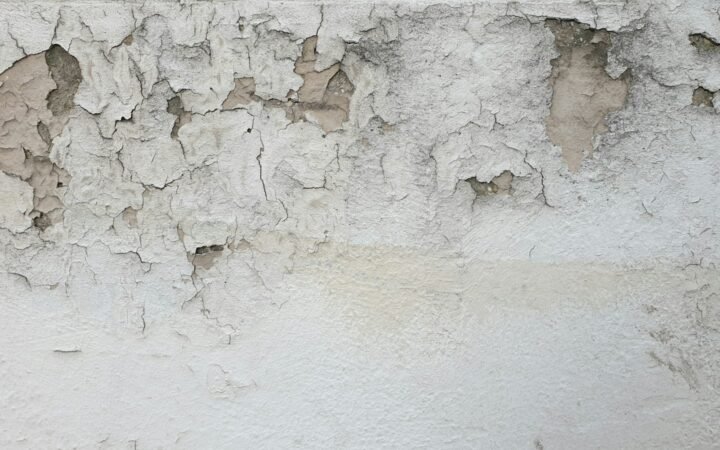
- peeling paint or wallpaper
- more insects such as silverfish
How to lower humidity
- Use exhaust fans in bathrooms and over the stove — every time.
- Run a dehumidifier in basements and damp rooms. Set it to 45–50%. See Best Dehumidifiers for Basements.
- Use your air conditioner — it dehumidifies as it cools. Make sure the condensate drain works.
- Fix leaks and direct downspouts at least 4–6 feet away from the foundation.
- Vent the clothes dryer outside and avoid drying laundry indoors without ventilation.
- Cover crawl-space soil with a vapor barrier.
- Cover pots when cooking.
How to raise humidity (when it’s too dry)
- Use a humidifier set to no more than 40–45%, and clean it as the manufacturer directs to stop mold and bacteria growing in the tank.
- Use distilled water in ultrasonic humidifiers to avoid white mineral dust.
- Houseplants and air-drying dishes add a little moisture.
UK readers
Damp and condensation are especially common in UK homes in winter. Ventilate daily (even briefly opening windows), keep the heating at a steady low temperature rather than off-and-on, and leave a gap between furniture and outside walls.
Frequently asked questions
Is 60% humidity too high indoors?
What humidity should a basement be?
What is the best humidity for sleeping?
Sources
- US EPA — A Brief Guide to Mold, Moisture and Your Home
- US EPA — Indoor air quality: humidity and mold
- ENERGY STAR — Dehumidifiers
Health note: This article is for general information and isn’t medical advice. If you or someone in your home has symptoms such as wheezing, a persistent cough, a rash that spreads, or a fever after a bite, talk to a doctor or other qualified health professional. Read our disclaimer.