In this guide
Quick answer
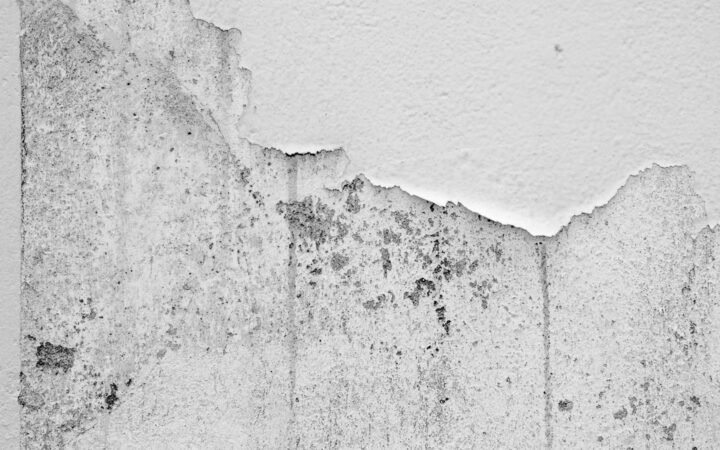
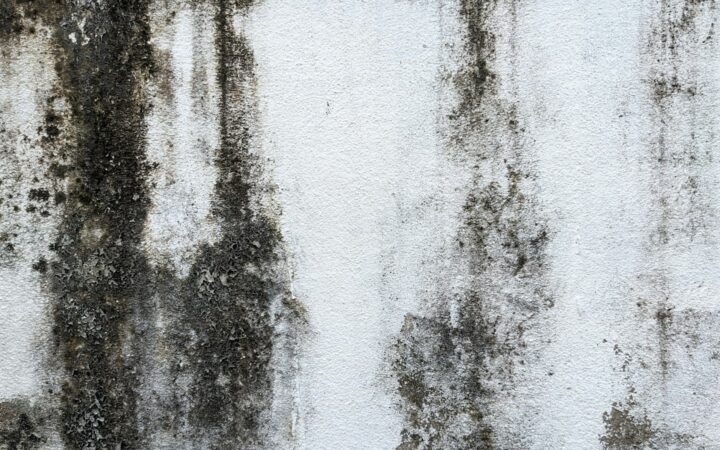
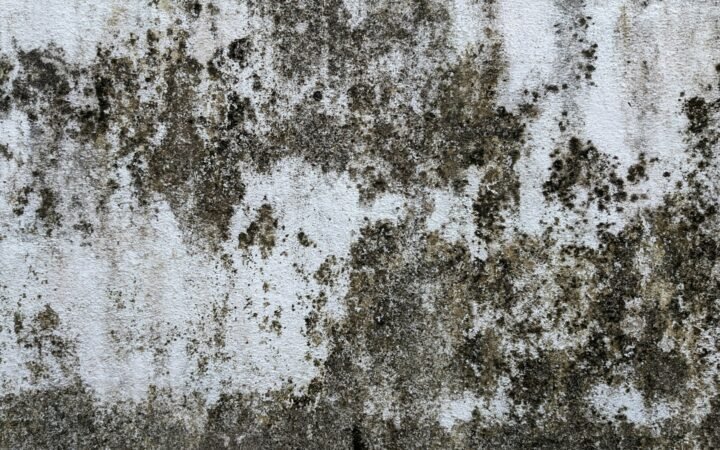
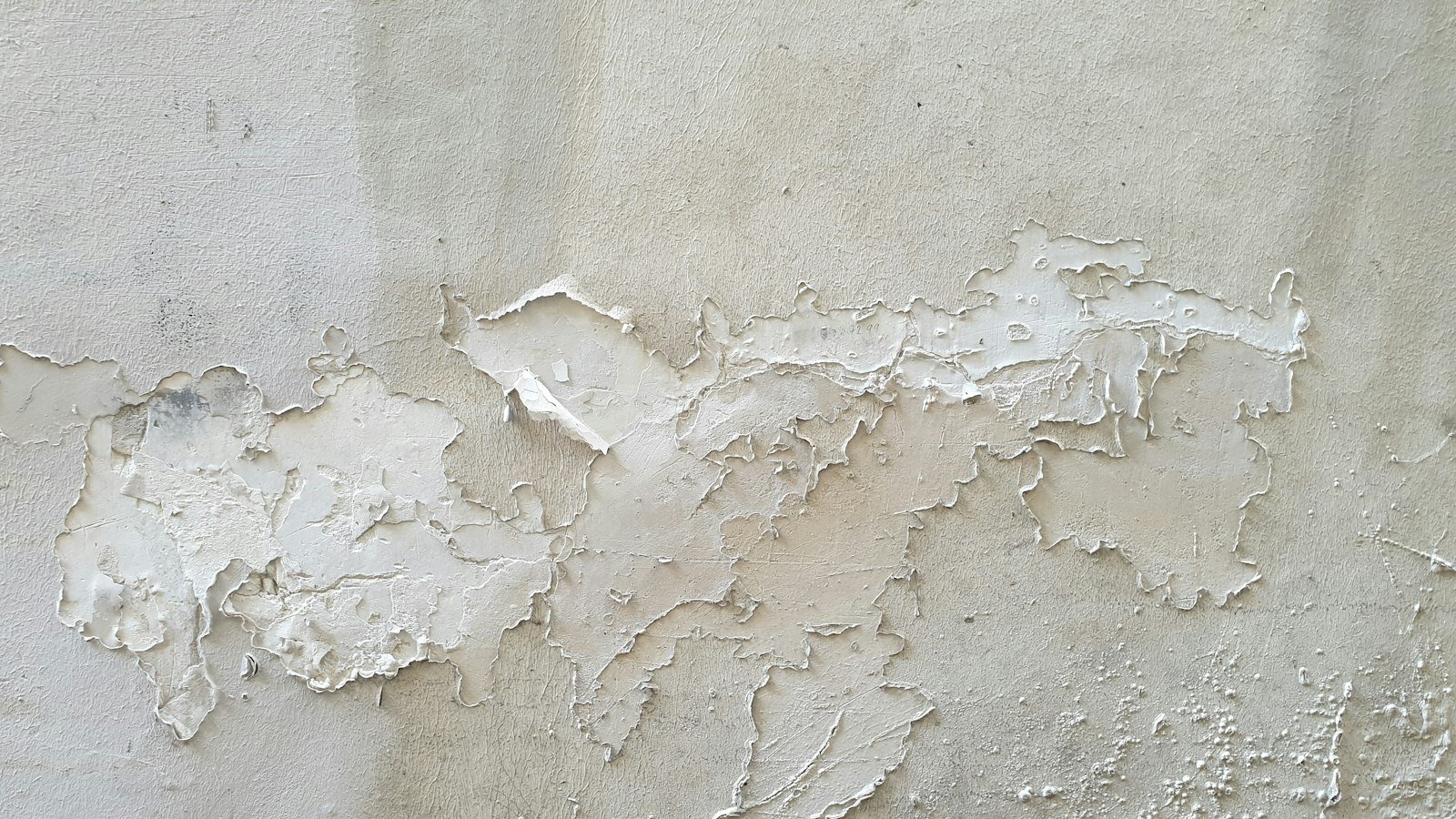
Mildew is a type of mold that grows flat on the surface, usually powdery and white, gray or light yellow, and wipes away easily. Mold is often fuzzy or slimy, comes in black, green or other colors, and grows into materials like drywall and wood. Mildew is a quick surface clean. Mold needs the moisture fixed and, if it’s grown into a porous material, that material removed.
Both mold and mildew are fungi that grow in damp conditions, and the words are often used interchangeably. In practice, “mildew” describes early, surface-level growth on bathroom tiles, window sills and fabrics, while “mold” describes growth that penetrates deeper. Telling them apart helps you decide whether a quick scrub will do or whether you’re dealing with a bigger moisture problem.
Side-by-side comparison
| Mildew | Mold | |
|---|---|---|
| Texture | Flat, powdery or downy | Fuzzy, raised or slimy |
| Color | White, gray, light yellow, turning brown | Black, dark green, blue-green, sometimes orange or pink |
| Where it grows | On the surface of tile, grout, fabric, paper, window sills | Into drywall, wood, carpet padding, ceiling tiles, insulation |
| Removal | Surface cleaning | Fix moisture; remove porous materials if it has penetrated |
| Smell | Mild, musty | Stronger, earthy, musty |
| Sign of | Humidity, poor ventilation | Often a leak or long-term moisture problem |
Simple tests you can do
The wipe test. Rub the spot gently with a damp paper towel (wearing gloves). Mildew usually comes off easily, leaving a clean surface. Mold tends to smear, leave a stain or come back quickly.
The bleach-drop test. On a hard surface you don’t mind discoloring, dab a drop of household bleach diluted with water on the spot. If it lightens within a couple of minutes, it’s likely mildew or surface mold; if it stays dark, it may be dirt — or mold that has grown deeper. Use this only on hard surfaces, in a ventilated room, and never mix bleach with other cleaners.
The poke test. If the material underneath (drywall, wood) feels soft, crumbly or damp, you have a deeper moisture problem regardless of what’s on the surface.
Health effects
Both can cause the same allergy-like symptoms — sneezing, runny nose, itchy eyes, coughing and wheezing — and both can trigger asthma in sensitive people. Mold usually involves larger amounts of growth and is more likely to be part of a long-standing damp problem, which is where health effects become more significant. See Is Black Mold Dangerous? for what the evidence says.
How to remove mildew
- Ventilate the room; wear gloves.
- Scrub with a detergent solution or a bathroom cleaner using a soft brush.
- Rinse and dry the surface completely with a towel and a fan.
- For mildew on fabric (shower curtains, clothes), wash on the hottest setting the fabric allows and dry in sunlight or a hot dryer.
How to remove mold
- Hard, non-porous surfaces (tile, glass, metal, sealed stone): scrub with detergent and water, rinse, dry.
- Porous materials (drywall, ceiling tiles, carpet pad, insulation): cut out and replace. Mold grows into the material and can’t be fully cleaned.
- Larger than ~10 square feet, inside walls, or after sewage/flood water: call a professional. See Mold Remediation Cost.
Wear an N95 mask, goggles and gloves for any mold cleanup. Full step-by-step instructions are in our mold hub guide, and the bathroom-specific method is in How to Remove Black Mold from Shower Caulk.
How to stop both from coming back
- Keep humidity between 30% and 50% — see Ideal Indoor Humidity.
- Run the bathroom fan during showers and for 20–30 minutes after.
- Squeegee shower walls and leave the shower door or curtain open to dry.
- Wipe condensation from windows on cold mornings.
- Don’t leave wet laundry in the machine or dry clothes indoors without ventilation.
Frequently asked questions
Is mildew less harmful than mold?
Does vinegar kill mildew?
Why does mildew keep coming back in my bathroom?
Sources
- US EPA — A Brief Guide to Mold, Moisture and Your Home
- Centers for Disease Control and Prevention — Mold and health
Health note: This article is for general information and isn’t medical advice. If you or someone in your home has symptoms such as wheezing, a persistent cough, a rash that spreads, or a fever after a bite, talk to a doctor or other qualified health professional. Read our disclaimer.