In this guide
Quick answer
Mold grows wherever there is moisture, so the fix always starts with the water source. You can usually clean a patch smaller than about 10 square feet (roughly 3 ft × 3 ft) yourself with detergent and water while wearing gloves, goggles and an N95 mask. Larger areas, mold inside walls or HVAC systems, or mold after sewage or flood water should be handled by a professional. Keep indoor humidity between 30% and 50% to stop it coming back.
Finding mold in your house is common, and it doesn’t automatically mean a crisis. Mold is a normal part of the outdoor world. It only becomes a problem indoors when it finds a damp surface to grow on — a leaky pipe, a bathroom without ventilation, a basement that stays humid, or drywall that got wet and never dried.
This hub guide covers everything most homeowners and renters need: the health effects, how to find mold (including hidden mold), whether testing is worth paying for, how to clean small areas safely, and when removal becomes a professional job.
What mold does to your health
According to the CDC and EPA, mold exposure doesn’t affect everyone the same way. The most common effects are allergy-like:
- stuffy or runny nose and sneezing
- itchy, red or watery eyes
- coughing or wheezing
- skin irritation
People with asthma, mold allergies, chronic lung disease or a weakened immune system are at higher risk of more serious reactions, including asthma attacks and, rarely, lung infections. Infants, older adults and anyone going through chemotherapy or after a transplant should avoid exposure entirely.
When to talk to a doctor
If someone in your home has wheezing, shortness of breath, frequent chest infections or asthma that gets worse at home and better away from it, mention possible mold exposure to a doctor. Don’t wait for a test result to get medical advice.
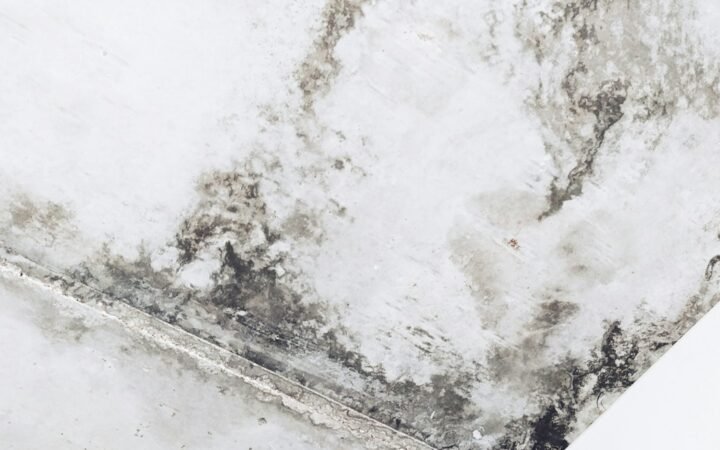
Not sure whether you’re looking at mold or mildew? See Mold vs Mildew. What about “toxic black mold”? Color doesn’t tell you how dangerous a mold is. The CDC advises treating all indoor mold the same way: remove it and fix the moisture. We explain the science in Is Black Mold Dangerous?
Where mold hides in a house
| Area | Why mold grows there | What to check |
|---|---|---|
| Bathrooms | Daily steam, poor ventilation | Shower caulk, grout, ceiling corners, behind the toilet |
| Kitchens | Leaks under sinks, dishwashers | Cabinet floor under the sink, behind the fridge |
| Basements and crawl spaces | High humidity, groundwater | Walls, joists, stored boxes, carpet |
| Windows | Condensation in cold weather | Sills, frames, curtains |
| Attics | Roof leaks, poor ventilation | Underside of roof sheathing, insulation |
| HVAC | Condensation in coils and ducts | Vent covers, drip pan, musty smell when AC runs |
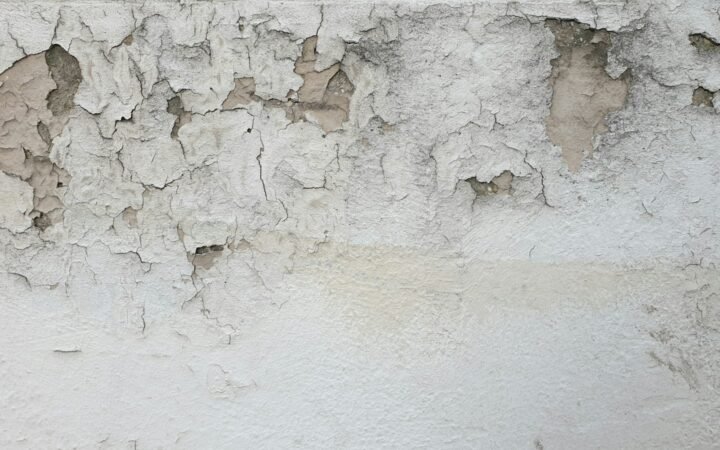
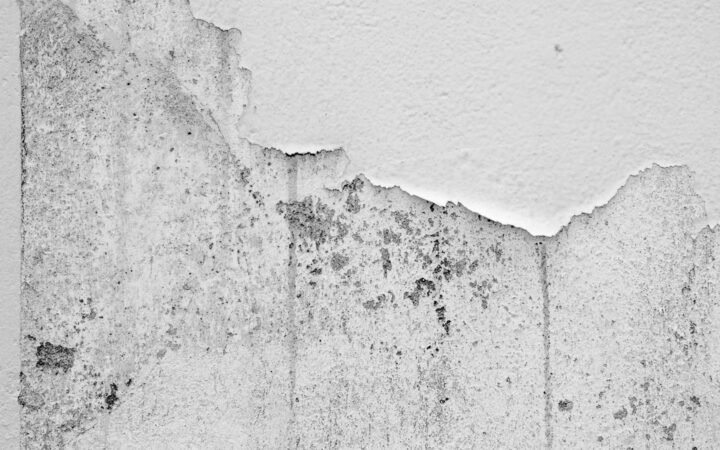
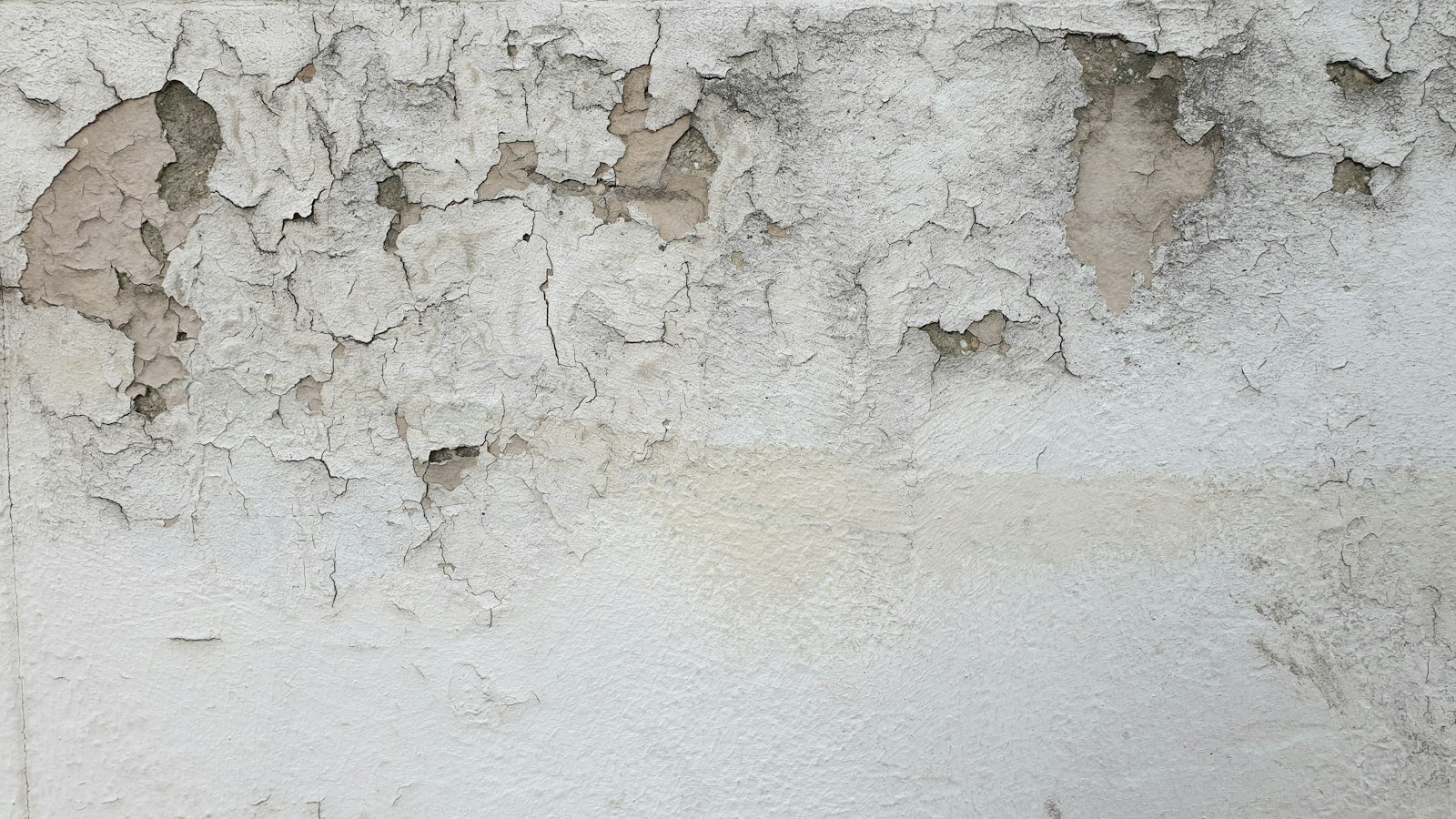
Hidden mold is common behind drywall, under flooring and above ceilings after a leak. Warning signs include a persistent musty smell, peeling or bubbling paint, warped baseboards and stains that keep coming back. See Hidden Mold in Walls and Mold in AC Vents.
Is mold testing worth it?
For most homes, no — not at first. The EPA notes that if you can see or smell mold, you already know you have a problem, and sampling doesn’t change what you need to do: fix the moisture and remove the growth. There are also no federal limits for “safe” indoor mold levels to compare results against.
Testing can be useful when:
- you smell mold but can’t find it, and you’re deciding whether to open a wall;
- you need documentation for a landlord, insurer or legal dispute;
- you want post-remediation verification that a professional cleanup worked.
Cheap DIY “settle plate” kits almost always grow something, because mold spores are everywhere — even in clean homes. We compare the options honestly in Mold Test Kits: Are They Worth It?
How to remove a small mold patch safely
For areas under about 10 square feet on hard surfaces:
- Protect yourself. N95 respirator, goggles without vent holes, and long gloves (nitrile or rubber).
- Ventilate. Open a window and run a fan blowing outward. Keep children and pets out of the room.
- Scrub with detergent and water. For hard, non-porous surfaces like tile, glass and sealed counters, this is what the EPA recommends. Dry completely afterward.
- Throw away porous materials that are moldy — ceiling tiles, carpet padding, and drywall that has soaked up water. Mold grows into them and can’t be fully cleaned out.
- Don’t paint over mold. It will peel and the mold will keep growing underneath.
Never mix bleach with ammonia or other cleaners
The combination releases toxic gas. If you do use a bleach solution on a hard surface, use it on its own, in a ventilated room, and rinse afterward. Bleach is not effective on porous materials like wood or drywall.
Step-by-step bathroom instructions are in How to Remove Black Mold from Shower Caulk and Grout.
When to call a mold professional
- The moldy area is larger than about 10 square feet.
- Mold is inside walls, ceilings, ductwork or the HVAC system.
- The water was sewage or flood water (contaminated water).
- Anyone in the home has asthma, a lung condition or a weakened immune system.
- Mold keeps returning after you’ve cleaned it.
Professional remediation contains the area so spores don’t spread, removes damaged materials, cleans with HEPA equipment and should address the moisture source. Costs vary widely — see Mold Remediation Cost for 2026 ranges and questions to ask.
The real fix: moisture control
Mold cleanup without moisture control is a temporary fix. The EPA’s key advice is to dry wet materials within 24–48 hours and keep indoor humidity low.
- Use bathroom and kitchen exhaust fans every time, and leave them on 20–30 minutes after showering.
- Fix leaks immediately — under sinks, around toilets, at roof flashing.
- Keep humidity between 30% and 50% with a $10–$20 hygrometer to check. See Ideal Indoor Humidity Level.
- Run a dehumidifier in basements and crawl spaces. See Best Dehumidifiers for Basements.
- Direct gutters and downspouts away from the foundation.
- After any leak, follow our 48-hour water damage plan.
Key takeaways
– Fix the moisture first; cleaning alone won’t keep mold away.
– Small patches (under ~10 sq ft) are usually a safe DIY job with protection.
– Color doesn’t determine danger — treat all indoor mold the same way.
– Testing is rarely needed when you can see mold.
– Keep humidity at 30–50%.
Frequently asked questions
Can mold in a house make you sick?
Can I sleep in a room with mold?
Does vinegar kill mold?
Who is responsible for mold in a rental?
Sources
- US EPA — A Brief Guide to Mold, Moisture and Your Home
- US EPA — Mold
- Centers for Disease Control and Prevention — Mold and health
- NHS — Damp and mould: how it affects your health
Health note: This article is for general information and isn’t medical advice. If you or someone in your home has symptoms such as wheezing, a persistent cough, a rash that spreads, or a fever after a bite, talk to a doctor or other qualified health professional. Read our disclaimer.